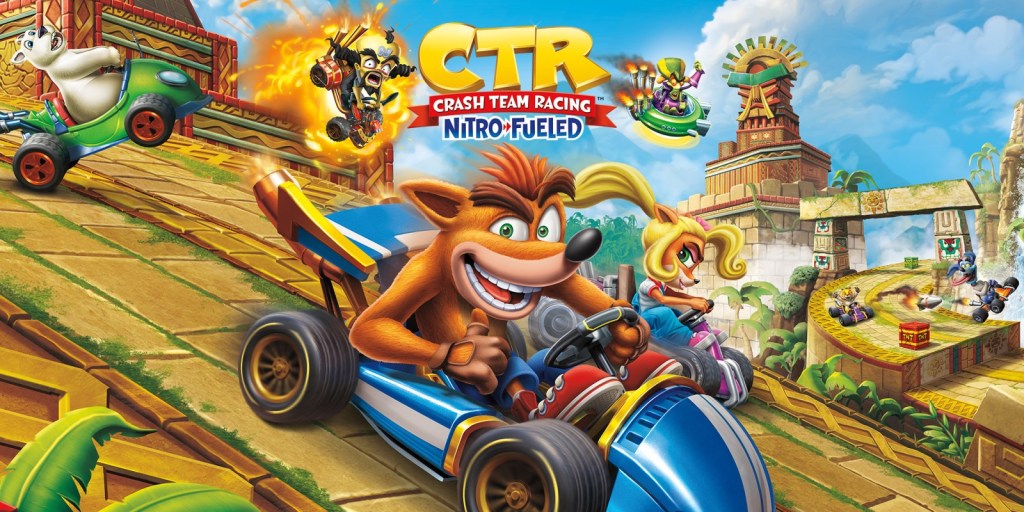
Distance = speed x time therefore time = distance / speed, so for a racing game whoever has the best speed will in. It’s the fundamental principle of racing games like getting kills in a deathmatch or scoring goals in football. At the weekend a friend explained to me about the blue fire in Crash Team Racing Nitro Fueled which is all about keeping yourself at the maximum possible speed, so in theory it should be a perfect fit for a racing game except I kind of hate its usage in the game.
One of the key mechanics of CTR is boosting, if you time button presses during a powerslide or you jump off a ramp and get big airtime you’ll get a temporary speed boost that sees flames burst out of your exhaust pipes. When you reach the maximum speed boost from this the flames will turn blue and you’ll be travelling at a crazy velocity. Once you reach that state you can keep it going by repeatedly pulling off perfect boosts to maintain it. There’s a real skill level to doing this but the problem is that once you can do it if you do it while at the front you’ve won the rest of the race.
The reason for this is that CTR is not just a racing game it’s a kart racing game and that means there is the added factor of weapons, and while I enjoy these kind of racing games they tend to suffer from what I like to call the cluster**** problem. This problem is how the risk of weapons depends on the position of the driver. At a basic level if you imagine you have 3 racers with equal weaponry, the player in 1st is at risk of attacks from behind by 2nd place, the player in 3rd is at risk of attacks from in front by 2nd place. while the the player in 2nd is at risk of attacks from the in front by 1st place and attacks from behind by 3rd place so evidently they are most likely to be attacked. If you expand this out to 8 players you essentially end up with a cluster of racers in the center of the pack being most at risk. Add in the fact that for balance players at the rear have a better chance of getting a good item you end up with 1st place being the safest position which ends up as a self fulfilling prophecy because that naturally makes it easier to stay in 1st place. With CTR 1st place has the added benefit of being able to pull off the blue fire easier due to having less potential weapon interruptions so the lead just keeps growing.
Full disclosure I’m not very good at CTR so there’s not much chance of me winning but I’d like to at least finish races. See online has the annoying inclusion that once a player crosses the finish line a countdown timer of 30 seconds starts counting down before the race just ends regardless if the other racers have finished or not. From my experience it seems like the 1st place player finished about half a lap ahead of the other players and due to this big lead there’s a good chance the countdown will end up before a few players do. I’m not going to say to remove the blue fire mechanic outright to fix this instead I suggest options. Add 2 new modes: a hardcore mode that removes items to allow players to just focus on the blue fire and speed so basically just take the time trial tracks and let multiple players on them, and add a casual mode that removes the blue fire for us more skill impaired players. This is the simplest way of solving the problem and letting everyone get what they want from the game.
I doubt this is something that will happen as Activision will focus instead on new things they can sell for microtransactions. so I guess for now unless I master the blue fire I’m just doomed to Crash and burn.
Final Fantasy is one of the biggest series in gaming but unusually each numbered game is disconnected from the rest of the series. This sets the series up perfectly for crossover games, Nintendo got the Theatrhythm games for the 3DS while Sony got the Dissidia games for the PSP. They were fun titles with 2 characters fighting it out in 3D arena that they dash and clash around in an attempt to recreate the action of the Final Fantasy 7 Advent Children film. It actually kept a good chunk of RPG mechanics and surprisingly lengthy single player campaign. Following these there was a new entry in the series made for Japanese arcades that proved very popular so it inevitably got a home console version and that is Dissidia NT.
With its arcade origins a lot of the RPG elements have been stripped back, but since it is not a console game they’ve added in a brand new story mode to the experience. And to be fair to them it’s actually a fairly enjoyable experience, it’s not an amazing stand alone story but like you’d expect it is made up of more fun fan service (not the sexy kind) interactions and even some pretty cool unique boss battles. However everything they’ve done to handle and present this story mode is bizarre and baffling.
If you are after a single player experience chances are the first thing you will do is boot up the story mode, so you watch the first cutscene and then you are immediately stopped, see the story mode is laid out as a grid path made up of many nodes with each of these nodes requiring an item called memoria to unlock. To get this memoria you have to increase your player level which can be done by completing fights either offline or online, I’m assuming if you are after a single player experience you’ll be doing this offline (you’ll want to do it offline for reasons I’ll get to later).
The main offline mode is gauntlet mode where you go through a set of 6 fights with whatever 3 characters you want (one you control and 2 AI controlled). You’ll play through this to build up memoria and unlock story mode nodes and you’ll notice that when you unlock the top branch this path restricts you to battles that are just 2 v 2 (and doing these unlocks a gauntley variation that is also 2 v 2). Given the previous PSP games were 1 v 1 these fights would be a great way of easing players into the new games battle system, but you’ll have to do a bunch of the 3 v 3 fights to unlock this totally negating that benefit.
As you go through the story mode you’ll unlock some pretty cool boss fights where you face off against Final Fantasy summons, but when you first come to these they are brutal. Thankfully one thing they’ve changed for these fights is that if the AI characters are incapacitated this does not decrease your teams lives, only your own defeats do this. However for now the AI are pretty useless and just end up being bravery fodder for the boss. (Side note for people who haven’t played Dissidia you have bravery points and health points, bravery attacks decrease the enemies bp and increase you own, hp attacks use all your bravery points to decrease the enemies hp and as per tradition 0 hp means defeat). I say for now because each characters has an offline rank (E to A for each rank level bronze, silver etc). The higher the rank/rank level the better the AI plays that character, to increase the rank you have to use that character (or have them as the AI controlled characters) for offline play or they’ll also be automatically raised to Rank E of whatever rank level the player is. The gist of this is that if you don’t want the AI teammates to be a liability you have to be playing with them in the offline modes.
One other elements that helps make the story mode levels and bosses manageable is that for every 5 player levels you’ll increase your story mode bonus level with this bonus dictating the amount of health you have, it’s pretty noticeable that the game is balancing the story mode on the basis of you gaining these bonuses since you might run into some of the regular 3 on 3 fights where the enemies have more health than you until you bump up that bonus level.
What this all adds up to is a story mode that has mandatory grinding every single step of the way. Given that the game did strip back on a lot of the RPG elements to make it more arcade friendly it’s strange that the one thing they’d choose to keep from RPG’s is grinding.
Continuing last week’s look at the 5 must play exclusives for the DS.
Lunar Knights
Hideo Kojima is probably a name you’ve of, he’s the mad man behind the Metal Gear Solid series as well we the upcoming foetus carrying simulator. One of his weird side projects were the Boktai games, GBA games with sun sensors built into the cartridges so you’d use real world sunlight to fight vampires. It was an interesting idea but as Brit where for 90% of the year the sun seems like a myth I didn’t them. Fortunately Lunar Knights is a new game in the series and with the move to DS there was no longer a sun sensor in the cartridge which allowed me to play it on a cold dark night like I do most of my gaming.
The actual sun requirement might be gone but light is still a key component with a twist for this game, there is now a duo of protagonists; Lucian a dark swordsman who can channel the power of moonlight and Aaron who uses sunlight for his solar powered gun. They are your typical hero and anti-hero pair think something like Naruto and Sasuke. The game handles the dynamics of the pair really well, it implements a day night cycle that naturally gives an advantage to whichever character can absorb that periods light. But it reinforces that simple element effectively so you aren’t just using that one character that can get the current light, Lucian uses a sword but Aaron uses a gun which gives him an obvious range advantage however if he runs out of light his gun won’t work at all whereas Lucian’s sword can still be used if he runs of his energy (albeit weaker damage with no energy) so you’ll want to use for that reason but with the close range you are more at risk of damage. Due to this the game is properly incentivising you to actually make full use of both characters rather than just focus on an bulk up just one character which is often a problem with multi interchangeable character games.
The gameplay is an isometric action game with some RPG elements which is nice as you don’t see many games using that kind of perspective nowadays. There’s a good variety of abilities including unlock different elemental animal companions with different enemies have different weakness incentivising this variety in the combat. There’s even a basic stealth system with the ability to blow into the microphone to whistle to attract enemy attention, which is a nice touch for a Kojima game.
Another component of the game is that the vampires have developed a ‘parasol’ system that controls the weather to block sunlight from reaching Earth. As you defeat bosses you get more access to this system allowing you to change to different climates, this unlocks different parts of dungeons giving some good replay value to the game. This is useful as the game can be pretty tough so going back to earlier dungeons to level up and get better equipment is pretty useful.
People really seemed to more directly follow Kojima after Konami’s treatment of him, os maybe now’s the time to go back and look at his earlier work.
Solatorobo Red the Hunter
Solatorobo is an RPG and when I say that I’m sure that people imagine certain genre stereotypes but Solatorobo kind of defies those stereotypes to do its own thing.
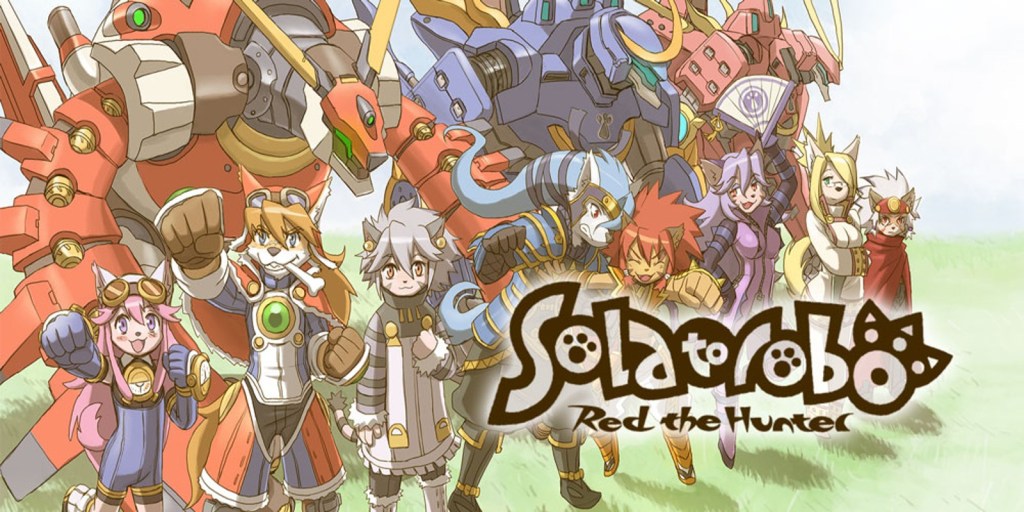
Unsurprisingly from its title you play as Red who’s a hunter (I’m sure you came here for this kind of in depth analysis). In this universe a hunter is basically a PG version of a mercenary giving you an excuse to take on odd jobs. Red himself is an anthropomorphised dog who rides a mech. The game has a very nice style with its character designs being distinct and memorable with lots of colour splashed over the world (for example Red wears red). The writing for the characters and stories is enjoyable as well but I don’t want to go into details on them for the risk of spoilers, but one unique element is that when the credits roll you are only half way through the game, it is essentially split into two story arcs with the same characters, like different seasons of a TV show which I found interesting as normally game stories operate like a snapshot of a character’s experience with an adventure.
In terms of gameplay the combat is one area that definitely stands out by utilising Red’s mech. The combat is entirely built around grabs and throws which is pretty interesting as they are normally just side options to the main object. You grab/pick up objects, enemy projectiles and even enemies themselves to throw at enemies, you can even catch thing mid-air as they bounce back to throw them again. There’s not a lot of depth to the combat but since there’s no other games with combat quite like it the combat system stayed interesting and fun for the duration.
Another big element of the game is its side quests, Red’s profession mean that he’ll take any miscellaneous odd jobs that are available, and the developers were no afraid to throw stuff at the wall and see what sticks, there’s a lot of variety and experimentation to the extent that you might even expect to see more of some of these mechanics. An example of this kind of experimentation is with the standard side quest choice of fishing, rather than the usual process of standing by a lake with a fishing road you are instead hunting giant creatures through a sea of cloud using a harpoon attached by a chain to your mech, it’s a fresh take on a standard gaming staple.
And that’s how I’d describe the whole game, to me Solatorobo was a really fresh and unique experience, though apparently it is a spiritual sequel to a lesser known PS1 title Tails Concerto, but given its PAL release was only in France for me Solatorobo will stay standing out as a fresh experience that can only be found on the DS.
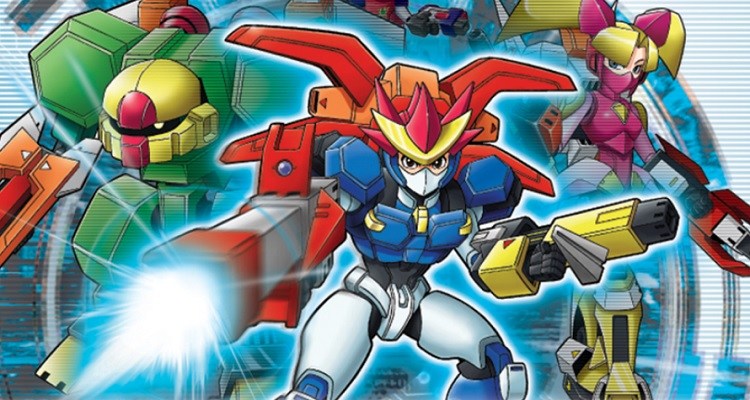
Custom Robo Arena
One phrase that annoys me in game reviews is “it’s like Pokemon” as its used to describe anything with monster collecting; I’m never going to tell a little kid to play Shin Megami Tensei because they like Pokemon. It’s my equivalent of people getting frustrated at the phrase “it’s like Dark Souls” being used to describe a game having any level of challenge. So how would I describe Custom Robo Arena? Well it’s like Pokemon…
In Custom Robo Arena you play as a kid who gets his first custom robo, a customisable little robot used for battling other robots, then goes on a quest to become the very best like no one ever was by going on an adventure to win tournaments and eventually take down the champion, while along the way you must thwart an evil organisation intent on using the robots to take over the world. Yeah it’s your standard expected children’s anime storyline, they’ve basically just swapped out Pikachu for a mini robot.
The key game component that always draws Pokemon comparisons is collecting so obviously that’s a key facet of this game, you aren’t collecting monsters but instead gathering up different parts that you can customise your robot with, there are alot of parts you can collect with every robot being made up of five part types; the main body, guns, bombs, pods and legs. These provide a lot of variation in terms of the robots so you can really tailor your robot to your particular fighting style. Again similar to how Pokemon let’s you know what you opponent is going to send in next so you can choose a counter, in Custom Robo you can see what parts your opponent’s machine is made of to give yourself the greatest advantage. It really incentivises collecting a wide range of parts.
Obviously those customisations are how you prepare your robot for battle and battling is where you’ll be spending a lot of your time. Your battles take place in arenas that can be populated with obstacles and various configurations of barriers, incentivising you to tailor your robot to work within the arenas particulars. That customisation can add a lot of variety to combat whether you are building them to have have high speed with close range weaponry, or have long range arcing weaponry to attack over barriers if you’ve got a more clustered arena, or various other combinations that could be tailored to your particular play style. It’s this kind of variety in your own robot and in your opponent’s robots that keeps the combat feeling fun for the game.
Describing something like Pokemon might seem a bit dismissive but I love it when a game can take the concept of another and put their own interesting element to it with Custom Robo Arena doing this fantastically.
The DS was a great console, one element of the console that I don’t think gets the appropriate appreciation was it making sleep mode a standard for the console that is a great addition to a handheld console. What games are you frustrated that I didn’t include in this list?
If I’m going to tell somebody to buy a console there needs to be at least 5 great games exclusive to the console to make it worthwhile. When I say exclusive I mean exclusive, if a game has seen a port, remaster or remake; basically if I can play it elsewhere it is not eligible for this list (the exception being actual backwards compatibility as it would make some consoles literally impossible to do). With the rules established let’s look at what games you should buy a DS for.
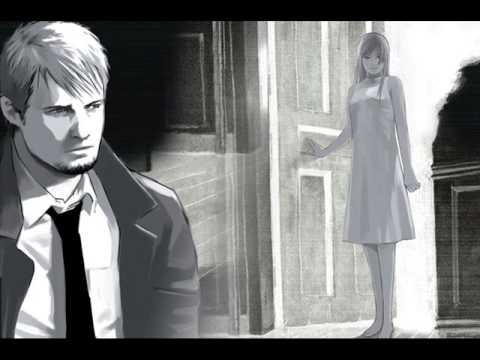
Hotel Dusk Room 215
Most of the time with exclusive they can be great experiences, but they would be great if you dumped them onto any other console, Hotel Dusk is one of those rare titles that is so intrinsically tied to the hardware that it would not shine as bright anywhere else.
Hotel Dusk is a point and click adventure game where you play as ex detective Kyle Hyde who goes to the hotel following a lead on his presumed dead partner. It’s alot more of a serious and grounded experience compared to the kind of wacky moon logic of the titles typically associated with the genre, but as is typical for the genere the game’s experience is heavily dependant upon its writing and story. Fortunately the game handles this well, I said it was a more serious story but I don’t it’s some kind of super serious grimdark tale, the characters don’t just crack jokes for the sake of it but instead come across like more genuine people for example a writer who keeps bringing up that they are a writer. Helping this is that the characters are represented by pencil sketch style characters portraits that have movement and expressions (think like the Take of Me music video). This is a really clever design choice as it makes the character designs memorable despite them just being designed as a regular looking people.
That’s all great but as I said before it specifically excelled as a DS title so let’s go through how it utilises the hardware’s features. The first noticeable aspect is that the DS is held on its side so it’s like a book, one way it takes advantage of this is the previously mentioned character portraits, when you are in a conversation each character’s portrait is framed in each screen putting the focus on them and animated responses. It is utilised outside these conversations as well. Navigating 3D environments is something the DS notoriously struggled with, Hotel Dusk utilises the 2 screens to solve this, one screen displays a 3D 1st person view while the touchscreen has a top down view that you navigate by, it’s genius because a 2D environment is much easier to navigated by moving the stylus around the screen, so you use 2d controls to control moving round a 3D space as the game doesn’t require movement on the Z axis (vertical).
One aspect I haven’t mentioned is the puzzles and these are built to use the DS features. As expected a lot of them are designed to use the touchscreen for moving or manipulating items, but the puzzle that most impressed me was that for one puzzle you had to close the DS as the solution, I like t imagine people losing their DS in frustration then being confused when they open it back up. Another nice little touch is that you can open a notebook on the touch screen and just write yourself actual notes which is helpful for playing detective.
I really enjoy the game and what’s pretty awesome is that is has a lesser know sequel Last Window: The Secret of Cape West that is also great if you want to get more of this experience. Though sadly they’ll never be a third game as the developer Cinq went out of business.
Elite Beat Agents
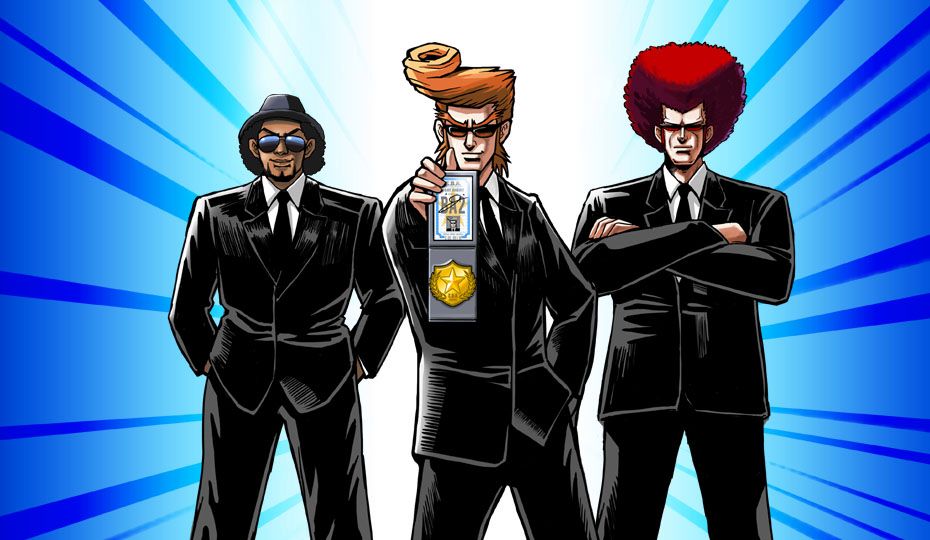
In Elite Beat Agents you play as the titular group who are secret agents that help people overcome their problems by encouraging them via the power of music. This game is coming from the same developer as Gitaroo Man (iNiS) so you should be expecting something unique, weird and amazing.
Unsurprisingly most music games tend to be centred around the music. Gitaroo Man was a weird space musical story, but for Elite Beat Agents each level is their own separate mission. Some of these missions include: shrinking down to help a sprinter’s white blood cells (who are sexy nurses) overcome a virus before a race, helping a retired baseball athlete fight off a lava golem attacking a child at the theme park where he works as a janitor, and helping a little girl whose father had promised he’d be home by Christmas but dies in a car accident. It might seem that they going for a LOL random approach and that last one is a wild tonal shift that will be out of place, but no it land. I think the reason for this is that the game has a lot of heart, all the seemingly disparate absurd situations share the common theme of somebody working to overcome adversity and become a better person. It’s simple but a positive and enjoyable message, it draws you in to the extent that I felt invested and pumped during the inevitable finale where the little girl leads a chant with everybody you’ve helped during the game joining in to support the agents in the most dire circumstances.
As I said before a music game is normally centered around the music, so Elite Beat Agent’s soundtrack selection is enjoyable enough. There’s not any tracks I actually dislike but the game definitely has a focus more on mainstream appeal, none of the tracks really have any edge to them, I don’t think there’s any tracks that would blow people’s mind that they would include them. You’ve mostly got well known pop tracks like YMCA and Material Girl, with a few lighter rock tracks like Jumpin Jack Flash. Like with these music games to keep costs down it is covers of the tracks rather than having to license the original versions, again none of these jump out as particularly bad covers but you do have to bear in mind the quality of the DS is nowhere near the level you could get from a high speaker system you could potentially have connected to your TV.
Though one advantage of a handheld music game is it eliminates the lag risk of TV & controller connections that can mess up the rhythm part of a rhythm game, iNiS take advantage of that by pushing the gameplay to be fast and frantic. To play you tap and slide on the touchscreen through combos of numbered circles, one thing that really stands out is how much thought they’ve put into flow for these, if there is a fast sequence of notes they naturally keep these clustered together so you can physically keep up with the rhythm. One clever choice is that to allow them to make the intensity high each song has a few short story intervals (which change a bit depending on how you are doing which is a nice little touch), these give you rest points which is nice as a lot of music games can end up with some songs that become challenges where if you lose focus and go off beat you are snookered. I’ve got to highlight one other little detail I really like, dependant on what difficulty you are playing on different agents are sent, because obviously for a more difficult mission you’d send more experienced agents.
Elite Beat Agents is probably one of my most played DS games as even after all these years I still get drawn back to it and have a blast whenever I do. What’s great again is if you don’t mind importing there’s two Japan only Ouendan games that have the same gameplay.
End of part 1
Stay tuned as next week we’ll go through the remaining 3 games of this list as this post will be way too long if I do them all in one. Any games you are hoping to see in part 2?
I like to keep up to date with all the biggest gaming trends and crazes. So today let’s take a look at the biggest indie game… of 2015.
Undertale has a bit of an intense fanbase and ironically that intensity ended up turning me off the game for a long time. I finally picked up a while ago but a friend who isn’t normally into this kind of game talked about how much they enjoyed it and that was the final push I needed to give it a go. I’m only a couple of hours in and I’m already so impressed that I get why it drew so much attention and I just had to write about it. There’s been a lot of praise thrown out there for it around areas like it’s humour, story and long term choices, instead what I want to talk about is how well it handles its unique combat mechanics.
At its core Undertale seems to be a turn based RPG but one unique part is what happens when you are attacked, you don’t just take damage instead you play a twin stick shooter section without the second stick or the shooting, essentially you move around a box (with you represented by a heart) dodging attacks that could come from anywhere. They can come from anywhere because what is really interesting is that very enemy has their own unique attacks, with the different patterns and modifications keeping the battles feeling fresh.
With most battle systems the best execution and experience comes from the boss battles, and Undertale’s first proper boss fight was no exception so let’s break down the Papyrus fight. Prior to this point Papyrus has been an unthreatening joke so his first attacks are just a few bones moving across the lower part of the box that you can easily avoid by staying put where you start. His next attack is far more complicated with bones of heights coming across the top and bottom moving at different speeds, except these are all light blue and previous fights have taught us that by not moving these attacks don’t damage you, so again is totally unthreatening and you do nothing. But something weird happens at the end of this attack, your heart turns blue and falls to the bottom of the box.
This battles twist is that gravity is applied to you making these previously unthreatening attacks a danger. Now you have to jump over his attacks instead. From here on the attacks start developing new complexities every attack, first the bones vary in height, then some come from the top that you utilise the gravity effect to dodge, next it adds back in the blue bones and attacks coming from both directions. It then throws in attacks that come from the top and bottom at the same time as well as strings of bones together making you consider your height and positioning during you jump more. From here it iterates on these mechanics by utilising them in varying and more complicated patterns, though it will still throw in another curve ball during these with bones that change height as they move to make sure you aren’t getting too complacent.
What I love about this is how it introduces the basic setup for attacks, then preemptively shows you several of the complications to come all within a safe environment. It then changes up the mechanics especially for this fight, introducing new complications throughout the fight that work with his new mechanic and develop how you utilise it. You see many games where their mechanics stagnate over their play time and don’t develop, but Undertale pulls it off within a single battle and this is so genuinely impressive.
Given that I’m very early into Undertale and felt compelled to write about it, I’m really looking forward to what the rest of the game has to offer, maybe I’ll have to rebrand this as an Undertale blog.
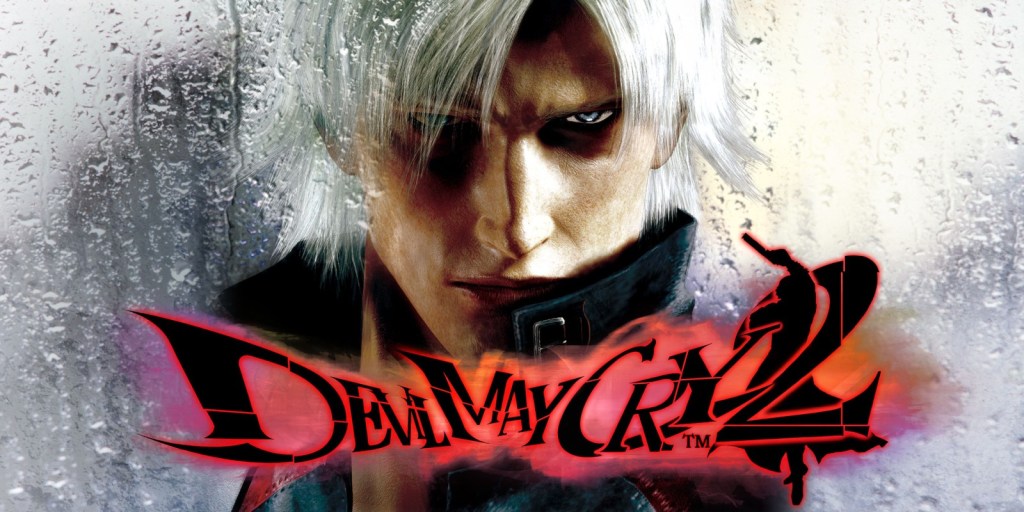
Rather than port the Devil May Cry HD Collection to the Switch Capcom are instead releasing each of the original PS2 trilogy separately. This means that Devil May Cry 2 has been released on its own again last week, please learn from the people who fell for it the first time, do not buy 2 on the basis of liking the first game. Devil May Cry 2 was handed off to a different development team who fundamentally misunderstood Devil May Cry. Today let’s look at exactly went so wrong with Devil May Cry 2.
If you think of Dante’s character design on thing that might jump out is iconic weaponry, he carries a sword and his twin handguns Ebony and Ivory. The thing is in the first game the sword and it’s melee combat was the star of the show and the guns were used more as an accessory to it, being used to keep enemies in the air or maintain your combo while an enemy was at range. In 2 they’ve shifted the focus over to the guns and the truth is that the gun gameplay is not good. Devil May Cry is not a shooter, it does not have the depth of a shooter; the guns have an auto aim system and infinite ammo so you don’t have to consider aiming or reloading at all, it literally just descends into mashing the fire button which isn’t exactly a riveting experience.
Even if the gunplay isn’t great if the melee combat was still intact from the original that could redeem the game but it is compromised in so many ways. In the original’s castle setting you often fought in smaller more cramped spaces, 2 opens up to a larger environment with fights now taking place out on town streets, the consequence of this is there’s now more space between enemies and when they are sent flying by your attacks they travel further away from you so to keep the combo going you have to use your guns. Further compounding the issue is the auto lock on system, the camera ties its focus to the enemy you are attacking and when that enemy is sent flying the camera is dragged away right with them, so if there’s multiple enemies around you this creates a definite risk of being blindsided by an off screen enemy (this risk does apply when just shooting enemies). The worst design choice affecting the melee combat is how many enemies are simply out of reach, there’s numerous flying enemies with the most egregious example being the infested helicopter boss the genuinely spends most of the fight flying off screen so you just can’t use melee combat.
That was the crux of why melee was a worse option but the combat itself was also weakened. The weapon variety keeps the games theme and focuses on guns over melee, there’s a selection of swords but they are only differentiated by stats, by comparison the first game had a set of gauntlets you unlocked that played differently but 2 does not have this kind of variety. It also seems that the sword combat itself is downgraded with moves from the original that seem to be totally absent like thousand stabs. Now in the interest of fairness there is a second character Lucia who is on par with Dante’s gameplay but has different weaponry, and there is also Trish from the first game as an unlockable character who I’ve heard plays more like Dante from the original but I’ve not tried her myself as it would required playing through Dante’s campaign again to unlock and I just don’t want to do that, plus even if she plays better there’s still all the design choices that hurt the melee combat.
Unfortunately there’s other problems with the rest of the game as well. Its design is pretty dull; most of the environments are just brown and grey, and a lot of the bosses designs are unremarkable with them being things like possessed buildings and vehicles which doesn’t live up to the designs of the first game, like how it’s first boss was a lava spider. Well I tell a lie there that boss is reused in 2 despite already fighting them 3 times in the original. The last big problem is Dante himself, now to be totally fair in terms of design this is Dante’s best look bur his personality has taken a real downward turn, the cocky joker from the first game is gone Dante is now quiet and serious. I get why they’ve done it Dante is meant to be “cool” and the strong silent type is another “cool” character trope, but it just isn’t escalated well and doesn’t fit with the established character.
As a final point the game is really short, it only takes around 2 hours to beat the Dante campaign but I struggle to call that a negative, it seems more like a mercy. So instead of playing Devil May Cry 2 you should instead play the waiting game for the Devil May Cry 3 release, the great redeemer game that showed what a Devil May Cry sequel should have been.
Imagine you are trapped on a desert island and to keep you occupied you can choose any 5 games to play to keep you occupied. Let’s ignore the obvious questions like why would you have all the consoles and power for them, also let’s forget about making a choice like picking an online game to send help messages out. Now let’s go through what I’d pick.
Animal Crossing New Leaf
I’m a creature of habit so one thing I’ll need to do is establish some kind of routine for myself. Animal Crossing is the perfect game for this, getting up to go fishing as a job to earn my bells and doing chores to improve the town and help your neighbours is the exact kind of routine I’d need and with all the different date events there’d be enough variety to keep it interesting. Plus dealing with the animal residents will give me a false sense of community and conversation to counter the crushing isolation of island life. (There is a new Animal Crossing coming out soon but as it’s set on a desert island that might hit a bit too close to home).
Disgaea 5 Complete
Grinding has a bad name due to how badly handled and tedious it is in most games. Disgaea is different it is the perfect grind; the item world where you go inside equipment to level it up is randomly generated gives the grind a good sense of variety and between levelling up you characters, their special attacks and their equipment you always have a tangible feeling of improvement. I have put hundreds of hours into the series and while the first game is still my favourite, in terms of post game content Disgaea 5 is definitely the most abundant so will keep me busy the longest.
Devil May Cry 3 Special Edition
Devil May Cry is one of those series that defines me as a gamer, I even used varieties of Nero Angelo for online ID’s so I have to include one i this list. The 1st game has charm but was short and you can tell it was a first go at this gameplay style, we don’t talk about 2, but then we have t3 the great redeemer which has got to be my pick. The game has amazing combat and is overflowing with style but the main reason I have to pick this one is the variety, you are restricted to taking only one combat style along with a limited number of weapons, plus if you get the special edition version you even have another character you can play through the game as, due to these restrictions I feel that I could replaying the game utilising the combat system in different ways each time. 4 and 5 are also great but I think by letting the characters access all their tools at any time it hurts the replayability and speeds up the process of mastering the game.
Super Smash Bros Brawl
Super Smash Bros is an iconic series, despite being mostly praised for its multiplayer I spend a lot of time playing Melee, having all the different characters to go through classic, adventure and event modes with gave me a lot of fun plus there was the added bonus of collecting trophies that all provide short text snippets about large swathes of Nintendo game history which tended to be interesting reads. Though for the Island I’d pick Brawl instead, it has more single player content and trophies, plus I spend less time on it originally so a lot of the trophy text would be new to me. The next entry in the series decreased the amount of single player content, then Ultimate replaced trophies with spirits that lack the flavour text, so Brawl seems like the point in the series for this situation.
Rock Band 2
While I don’t talk about it nearly as much as games I love music, it would be a tough call if there was some strange situation where I had to choose between giving up games or music. So logically I have to include a game that contains loads of the music I love. Rock Band 2 was the peak to the plastic instrument craze for me, it’s on disc soundtrack is great including classics like Bad Reputation by Joan Jett & Livin’ on a Prayer by Bon Jovi, along with a mix of fun more out their choices like Master Exploder by Tenacious D & Rob the Prez-O-Dent by That Handsome Devil, add in all the downloadable tracks as well and I’d be drowning in music. As a bonus for the Rock Band games I find drums the most fun to play so I’d be fitting in some physical activity I might otherwise neglect.
Well those were my picks for 5 games I’d want if I was stranded on a desert island, though given my total lack of survival skills I doubt I’d live long enough to play them. (They say it’s always good to end on a positive note).
It Was the Best of Warriors, It Was the Worst of Warriors
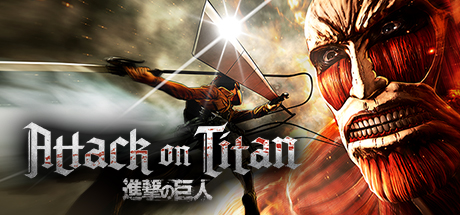
When I first started playing Attack on Titan: Wings of Freedom I thought it might be Omega Force’s best interpretation of their Dynasty Warriors style of games, but the problem is that as I played the game the more I saw that it also embodied the worst of the series.
Beor I get ahead of myself I should explain the oft misunderstood Warriors series. You play as some overpowered character wo obliterates hundreds of enemies and this is where the series gets its bad reputation, any individual enemy poses no challenge and you can easily get away with just button mashing to beat them. That’s all you need to make it through at a bare minimum but the real point is to excel and get high grades. The true point of a Warriors game is not just to win any individual battle but to win the battlefield, there are always multiple objectives such as capturing territories and beating bosses pulling you in different directions, you have to be efficient by dashing round all over the place and utilising the most effective combos to dispatch the enemies quickly. The real challenge of these games is to keep all the different plates spinning by playing at peak performance.
So what does Attack on Titan do differently to take advantage of this style? There’s two main differences to the norm; firstly there’s the omni-directional mobility gear which is basically a pair of gas powered grappling hooks that allow you to swing and propel yourself from buildings when combined with your twin swords it essentially makes you a murderous version of Spiderman, the other change is the enemies, their numbers are significantly reduced taking a quality over quantity approach with the titular titans being giant man like monsters. They are deadlier enemies but still quick to dispatch, a slash to the back of the neck at speed will instantly take them down (you can also target other body parts to make it easier to deliver that fatal blow, ie take out their legs to hinder their movement). By upping the speed of movement and the speed of killing the game feels far more frantic which perfectly plays into that challenge of efficiency and having to handle challenges all over the battlefield.
That’s all great so far but I did say it was also the worst. All I’ve described for the core gameplay is fantastic but the problem is there’s nothing surrounding that core. While in a good Warriors game you have a multitude of characters who feel different to play the different characters provide a sense of variety to counteract the repetitiveness the series is criticised for. In Attack on Titan while characters have different stats and some skills none of this particularly changes the way you play, regardless of who you pick how you play never fundamentally changes. The game just exacerbates this problem itself, once beating the story mode there’s additional post game missions that include new boss titans to fight, the kicker is to unlock these you have to complete the majority of side missions which are basically shorter rehashes of the story missions. Wading through literally dozens of these missions to try and experience something new just grows mind numbingly tedious and forced me to drop the game before unlocking all the post game content.
It’s a real shame what happened with the game, at its core it is fantastic but with nothing supporting that core it just collapses. Being burnt out from the game I never picked up the sequel when it came out, maybe enough time has passed now to give that a go and see if they learned from their mistakes.
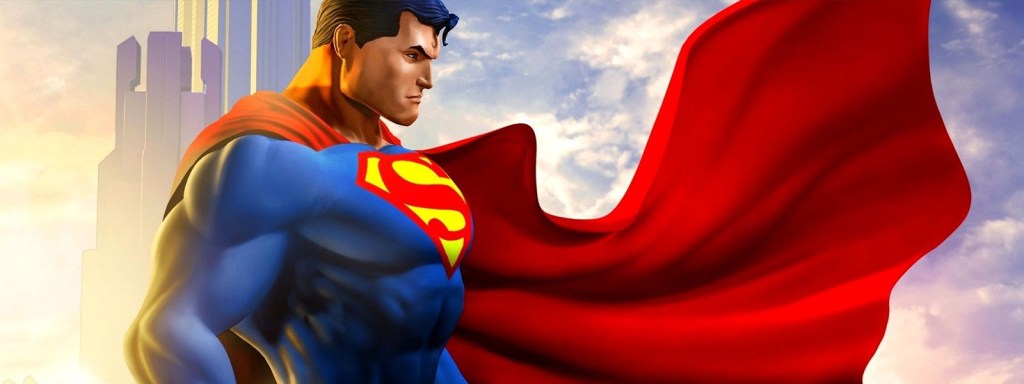
Superman is one of the most iconic characters in fiction, with Superman being one of the most widely recognised Superheroes, Despite this when it comes to videogames he is known for one of the worst games of all time with Superman 64, but unlike DC’s other big property Batman he does not have any great games to balance out the bad licensed titles. So why is that?
Superman as well as being one of the most iconic characters is also one of the most powerful, if you think of a super power chances are at some point Superman has had it. The obvious problem that arises from this is balance, when a character is so overpowered it is difficult to present a challenge to them. The workaround that most writers use is kryptonite to weaken the character, which if used in a game kind of defeats the point of being Superman.
So how would I make a Superman game, well firstly no kryptonite, you need to feel like a fully powered Superman which means that enemies won’t be a threat. The best Superman stories are about him struggling to keep up with all the demands of many people needing him at once. So for a game you drop Superman into a sandbox city of Metropolis with cries for help coming from all directions. Rather than a health bar for Superman there would be a health bar for the city representing the people’s belief in the hero, the goal and challenge is efficiency if you spend too long fighting off Braniac somebody else might fall victim to other crimes, it’s all about keeping lots of plates spinning at once so that you don’t let anybody down.
Of course the other option to the question of how to make a Superman game is to approach it like a politician and sidestep the issue by redirecting the question and not making a Superman game. By which I mean don’t make a game where Superman is the protagonist and instead play as his most well known enemy Lex Luthor. Playing as Lex would avoid the issue of an overpowered protagonist by making Superman the antagonist instead.
So Lex Luthor is a genius who a) has a deep hatred of Superman and b) runs his own mega-corporation and at times the whole of the USA. The way I envision the game playing out is juggling these two aspect of his character via a Sim City style management game. You’d have to keep Lexcorp profitable and maintain public appearances to stay out of jail, while at the same time you’d be deploying the Legion of Doom villains and working with the government agency Cadmus to develop further human weapons that you’d use to attack Superman to prevent him and the league from investigating Lex and arresting him all while diverting profits from the business to build up more in quality and quantity of the means you have to finally take down Superman. It would be an interesting take on superhero games to instead play the role of the villain.
These are my ideas for making a Superman game, but the one important thing to bear in mind is that if you make a Superman game do something more than just fly through some rings.
Continuing last week’s look at the 5 must play exclusives for the Gamecube.
Donkey Konga
This is a music game series that includes songs like the DK rap and the Pokemon them to play, do I need to bother making much more of an argument for the game?
If there’s one thing that Nintendo have proven themselves great at it’s taking some weird idea or concept and turning into a super fun game case in point long before the Guitar Hero & Rock Band plastic instrument craze swept the world Nintendo had their own go at it and thus the DK bongos were born.
The bongos have the two pads to hit either separately or together and also contains a built in microphone to be able to detect claps. It doesn’t sound complicated and that’s because it isn’t, but that simplicity is what makes it so easy to draw somebody in and get them to have a go, in fact the first time I played it was on a demo unit at Toys R Us as a child and that quick go was enough to sell me on it.
They key to any music game is unsurprisingly the music, I’ve already mentioned that it has Nintendo songs in the soundtrack, however that’s not all the soundtrack it has a bit of a mix of songs but something that shouldn’t come as a shock for Nintendo fans is that it is a decidedly family friendly choice of songs, you aren’t going to find anything like Slayer in the soundtrack. But there is some variety to the song choice, in fact I always found it strange but interesting that you’d have something like All the Small Things by Blink 182 alongside classical pieces of music.
The bongos may not have had a long life; only seeing 2 Donkey Konga games (3 in Japan) and a platformer game, but they are a sturdy piece of kit and a lot of fun in you can get your hands on some.
F-Zero GX
Here’s my impression of me if I was in a real life F-Zero vehicle: “AAHHHHHHHHHH!!!!” While Mario Kart might be Nintendo’s flagship racing series for good reason, it does not hold a candle to F-Zero in terms of speed and intensity in a way designed to appeal to a more hardcore audience.
And hardcore is definitely the correct way to describe it, GX is one of the best games that I know I’ll never beat, its story mode is notoriously difficult and I think getting a couple of chapters through it is the best I’ll do. Races are brutal the other racers give no quarter forcing you to push yourself against a constant sense of risk; if you fall off the track or your vehicle explodes that’s it game over and this is all happening during a constant intense sense of speed that puts even other futuristic racing games.
The other thing that wows me about the game is how technically impressive it is, that extreme sense of speed I’ve mentioned is pulled off at a constant 60 FPS with 30 racers on a track at once, and it feels like this is the first F-Zero game to pull this off without having to make sacrifices to do it; the original on the SNES had to utilise Mode 7 to do a kind of pseudo 3D, then with X on the N64 they made the jump to 3D while impressively also having 30 racers at 60FPS but to manage this the tracks were basically built in barren voids. GX does not have this problem with the increased power of the Gamecube they manage to have plenty of background detail that cause the tracks to have their own personalities making them feel unique and distinct from each other, this game is probably the one that pushed the Gamecube hardware the most.
Unfortunately we haven’t had a new F-Zero since as Miyamoto doesn’t want to do a new one until he has some innovation to change and “improve” it. Which is ironic because despite their prior history this game was actually given to Sega to develop and it ended up as the best game in the series, maybe the series should just fully be passed to Sega so we can get a new one.
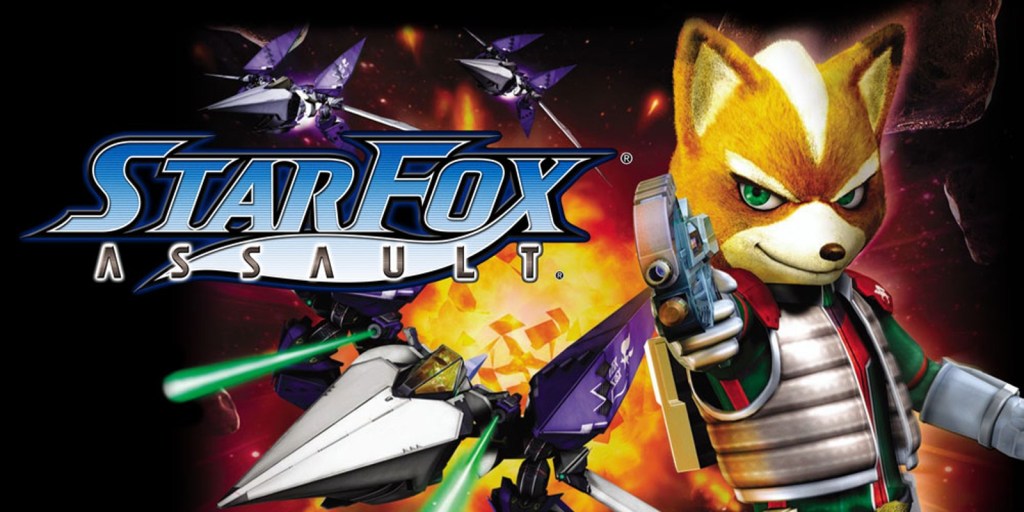
Star Fox Assault
If there’s one thing this list has shown me it’s that I take issue with Miyamoto nowadays; for Paper Mario he stripped out a lot of its personality to make it more like the main series but with a gimmick, he won’t make a new F-Zero until he has a new gimmick, and he’s a large of part of why Star Fox Zero just ended up as Star Fox 64 with a controller gimmick. Now full disclosure I’m one of the weirdos who actually didn’t mind Zero’s controls for the most part but what really frustrates is that Star Fox Assault made changes and improvements to move the series forward that instead of being built on were just ignored and forgotten.
I’m not going to pretend it’s Shakespeare but the biggest leap forward for this Star Fox game is the writing, There’s story & character development, events of previous games have actually had an impact and the universe no longer feels static. The main way it does this is that Andross is not the main enemy (I believe this is the only game in the series that does this) a new species is introduced called the Aparoid which are insect race that assimilate other species and tech (think of the Borg from Star Trek and you have a decent idea). By changing the status quo characters can be approached in different ways for example take Star Wolf there’s times when you fight against the rival group while others where you team up against a common enemy something which is not possible in previous games where you are on opposite sides.
As I mentioned there’s an impact of previous games as if time actually moves in the Star Fox universe, Andross is not the enemy because you’ve already beaten him, Krystal is now part of the team following Adventures and Peppy is no longer on the front lines dog fighting as his age catches up with him.The characters have grown and changed from the events they’ve been through. The game also takes a more linear approach compared to the branching paths of previous games this is combined with cutscenes and conversations that actually have characters animated and expressive in a way three squares on a screen just doesn’t manage. It’s strange to think but this might actually be a Star Fox game you can get interested in for the story.
The gameplay has 2 main parts there’s the usual Airwing flying sections that maintain the quality Star Fox is known for, but the other half is ground combat which is where a lot of the divided opinion of the game comes from. Before anything else if you are going to play the game change the settings to the dual stick control option for the ground sections I have no idea why this wasn’t the default but it will definitely improve your experience. Now I’m not going to lie the Airwing sections are better and I would prefer more of them in exchange for less ground sections, but I don’t think it’s nearly as bad as people make out Fox moves and handles pretty quickly and there is a combo tracker for chaining kills together in a short period that gives it a fun & frantic albeit simple style.
Even though it was rough around the edges I’ve got a real soft spot for Star Fox Assault, if somebody had took the ideas from it and further developed the gameplay I think there could have been a new contender for best Star Fox game, which is why Zero disappointed me so much it tried so much to be like what 64 was that it didn’t stand out and raised the question of why not just play 64, even if it had its detractors Assault stood out in a way that makes it worth checking out for any Star Fox fans.
Thank you to anybody who’s checked out my first attempts at writing, I’ve got a real soft spot for the Gamecube and given Nintendo’s reluctance to port Gamecube games could probably even do another of these lists in the future


 The David E Gamery