Game Of The Year 2020

Wow, 2020 has been a year to say the least, but hey we’ve got games to play to keep us busy right? So let’s highlight some of my top games from one hell of a year.

Bronze: Superliminal

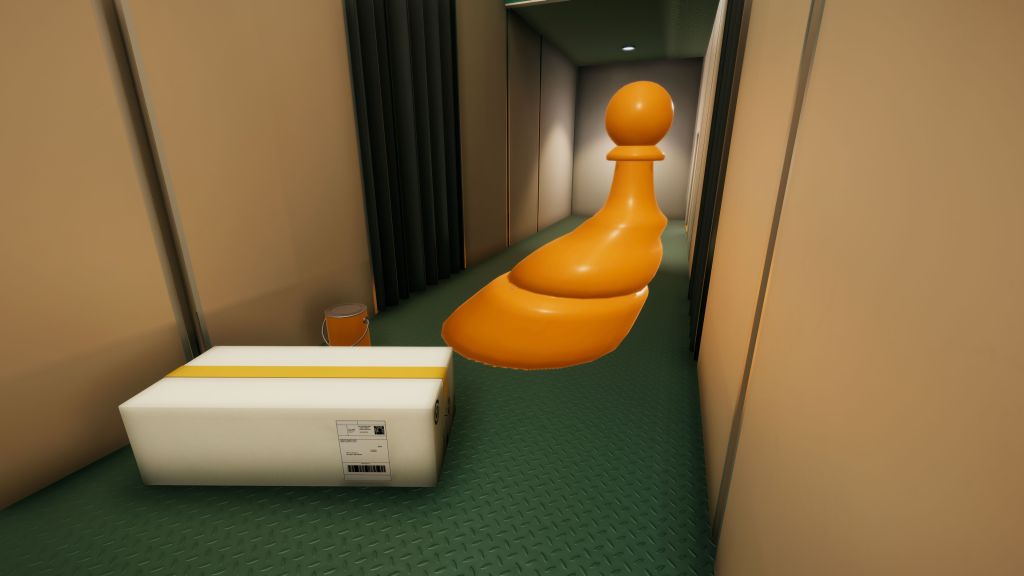
If nothing else Superliminal is a technical achievement with the it handles physics scaling and transforming objects. The heart of its puzzles is how it plays with perspectives, as an example for some of the basic early puzzles you might need to grab an object and move it close to you at your feet to shrink the object essentially scaling it directly to your perspective. It’s an interesting experiment with the unique experience of games.

I got some additional enjoyment from it as during the brief period where indoor socialising was permitted, got to witness a friend going through it and trying to piece together how the perspective puzzles worked.

Silver: Final Fantasy 7 Remake

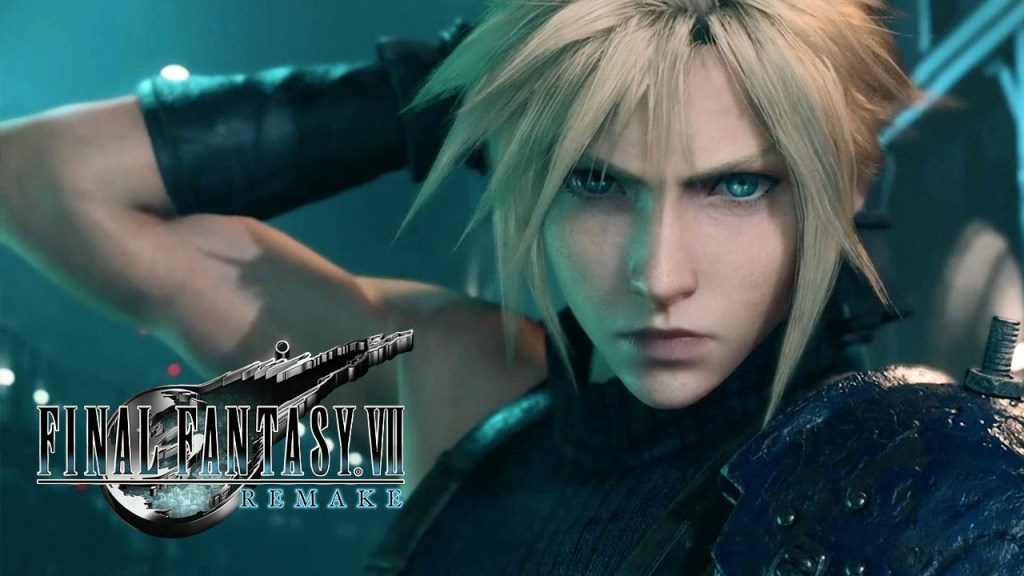
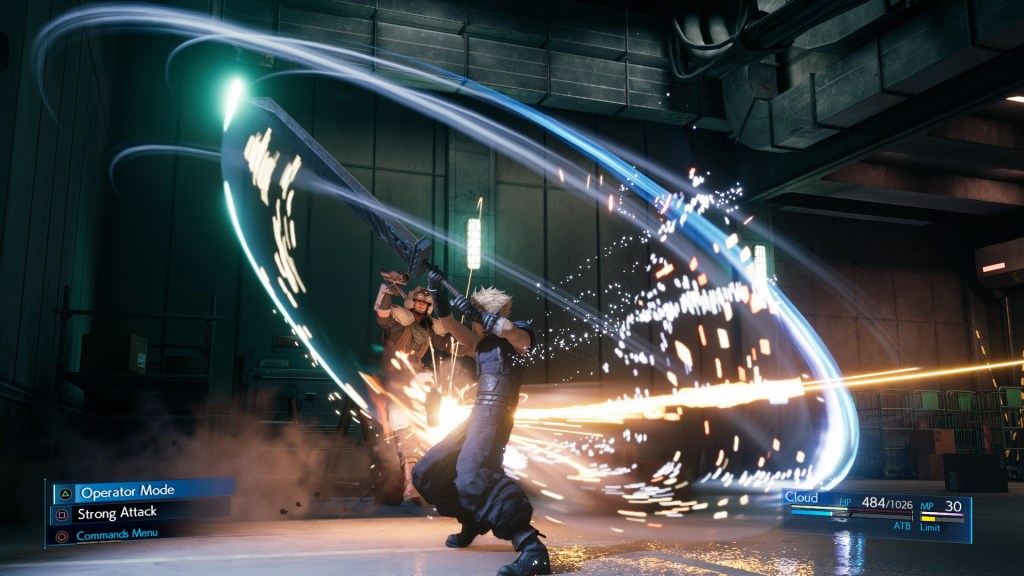
Many years after the PS3 tech demo dazzled everybody we have an actual HD Final Fantasy 7. Well kind of it isn’t a remake of the full Final Fantasy 7 instead being a part one focusing on just Midgar. If I’m honest this had me nervous expecting an open world experience with icons vomited over the map but I was pleased to see it was a more linear experience that didn’t feel padded.

It is a game of 2 halves it has some really cool moments and the way it’s adapted the turn based ATB from the original to a more action style is impressive. But on the other side the plot starts to go a bit off the rails later. Clearly, they didn’t want to just directly remake FF7 and wanted to do some of there own stuff, and that includes modern Nomura’s tendency to want to keep setting up stuff that will “definitely” pay off in later games.

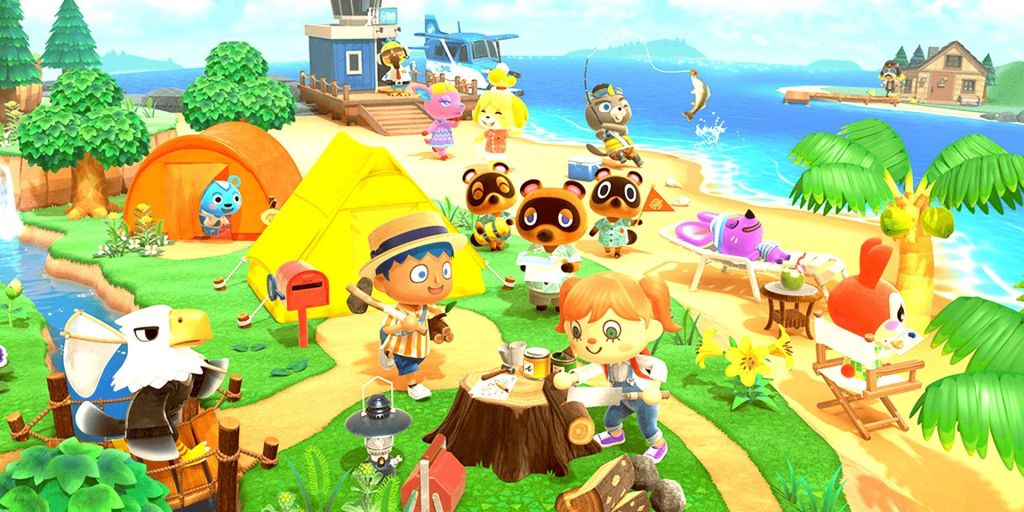
Gold: Animal Crossing New Horizons

I feel you’ve got to take the context of the year when considering the game of the year, and well Animal Crossing New Horizons could not have timed it’s release better if Nintendo themselves had engineered the virus.

In a year where we’ve been trapped inside and life has been put on hold for a lot of us it was the perfect, the chance to go out, socialise and work towards goals. On a personal note I’d been planning on house hunting during 2020 and getting my own place which has obviously been paused so decorating rooms has been something I’ve really enjoyed.

Old Game Of The Year 2019

Last week we covered my game of the year for 2019 but being a cheap person most of the games I play end up being from previous years, so today let’s give out the awards for my old game of the year.

Bronze: ZHP Unlosing Ranger vs Darkdeath Evilman

If you want to play a dangerous drinking game go on the Switch eshop and take a drink for every game that describes itself as rogue lite or rogue like. Having tried a few of these I’d come to the decision that they weren’t for me, having to replay the whole of a game and lose all your stat progress when you die ends up being frustrating to me.

But then I played through a game from the backlog ZHP a game with gameplay more in the actual style of Rogue itself and surprisingly really got into it. The advantages this game has over the current crop of indie titles is that a) it is split into multiple separate levels so if you die you only have to redo that level rather than the entirety of the game. The other advantage is that when you die you lose your current level but it also keeps track of all the levels you lost and these permanently affect your base stats and how much they increase when levelling up, so even in death you are still maintaining some of the progress you’ve achieved. Further to this the story ties back into this gameplay loop as the basis over it is persevering through adversity and becoming a better person.

ZHP has basically revitalised some interest in a gameplay style that I thought was dead to me.

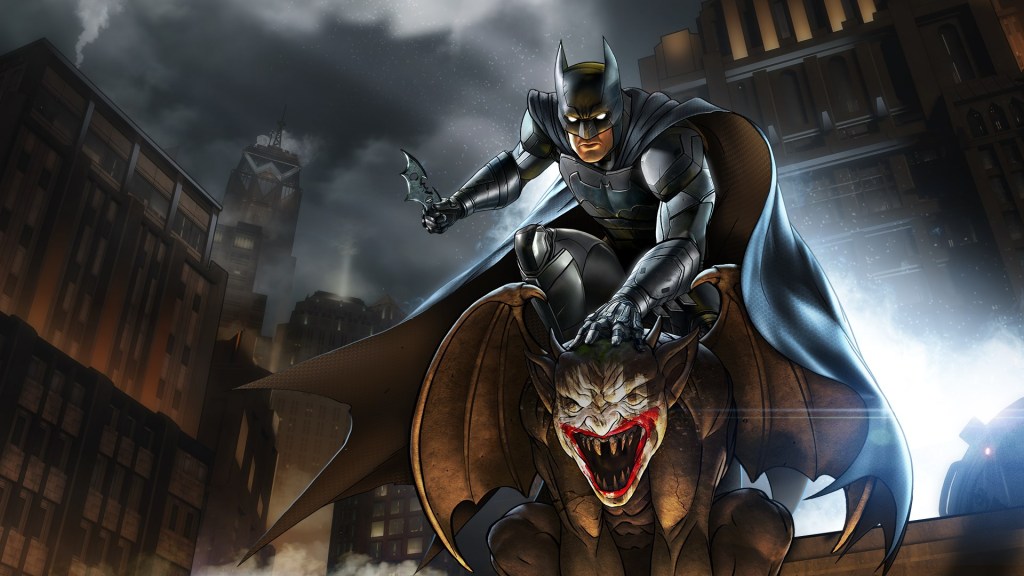
Silver: Batman the Enemy Within

The first season of the Telltale Batman game was willing to play things out differently to the established lore of Batman and was interesting. I had thought I’d lost the chance to play through the second season after the Telltale closure but found out it was still on the Playstation store and jumped at the chance to play it.

The big marketing push for season two was the Joker and that can go one of two ways; some of the best regarded Batman stories feature the Joker, but on the flip side due to the characters popularity there’s many stories with him that just end up derivative and forgettable. Thankfully Telltale pulled it off with there own spin on the character that explores the nature or nurture argument that the Joker himself made with the one bad day statement of The Killing Joke.

I’ve kept this deliberately vague since it is a story focused game but if you are a Batman fan this is well worth checking out for an actually unique take on the Joker.

Gold: Undertale

Fandoms on the internet are a tricky thing, Undertale had shall we say some passionate fans that would not shut up about the game and go as far as attacking people streaming or doing a let’s play of the game because they were “playing it wrong”. Ironically these people who love the game turned off myself and many others from the game, but I finally tried this game after a friend’s recommendation and I now get how it generated such a passionate fanbase.

There is so much to love about the game; the shmup/RPG hybrid combat that plays out differently for every battle with extra layers in boss battles, the way it handles the impact of choices and how these choices aren’t just picking from a list of options, the relatable characters personally I could relate to Papyrus pretty much immediately (which might not reflect well on me), the way playthroughs can vary so much and tie back into each other, and of course some excellent music that has caused the creator Toby Fox to go on and produce tracks for Game Freak.

If like me you were put off by the fanbase just try the game and see if it clicks for you, if you don’t like it you’re probably same to have that opinion now years after its originally release.

Game Of The Year 2019

Now that 2019 is drawing to a close it is time for the first ever but highly prestigious David E game of the year awards. As with any personal game of the year list there are great games from this year that I will have inevitably missing, but even so I think I have three fantastic games taking the medals, so without further ado let’s give out these prizes.

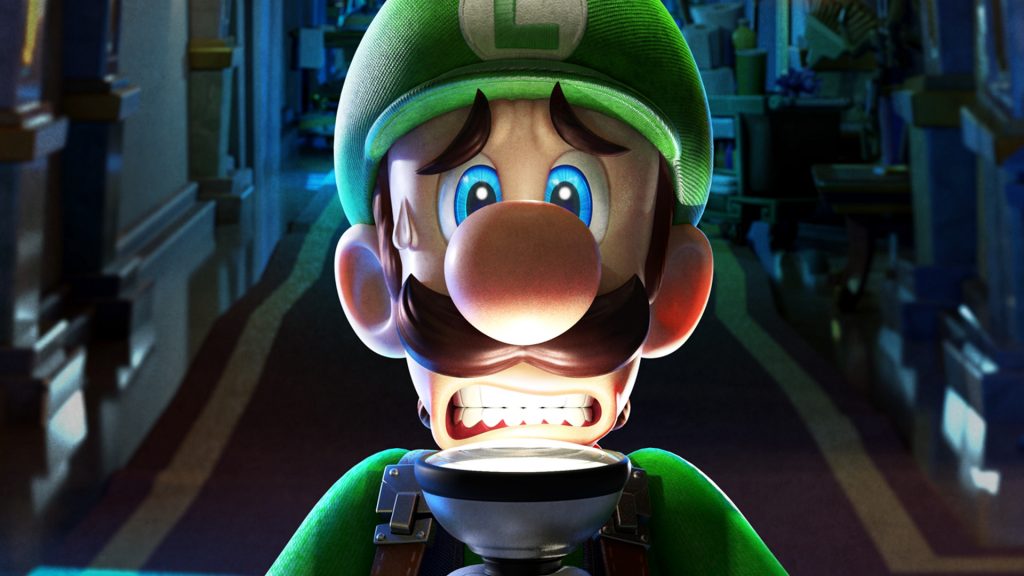
Bronze: Luigi’s Mansion 3

You find an office chair so you suck it with your vacuum to make it spin and you get rewarded, you see a magic box with a saw in it so you alternate sucking and blowing to cut through it and you get rewarded. These are a couple of examples of what I absolutely loved about Luigi’s Mansion 3; the experience of searching an environment for secrets. This was so much fun especially going through it in co-op with another person we didn’t run into a scenario that had us decrying it as dumb and making no sense, even when they are more hidden there was always a clear line of logic to follow behind the solution that made sense in the levels setting.

The levels themselves provided great variety to this, the game is set in a hotel where each floor has its own distinct theme as a couple of example; one floor had a magician theme an another had a medieval setting, each floor varies a lot as does how they hide the secrets within them. All too often in games the environment is just set dressing or built around combat encounters so it has to be applauded when one comes along that has such deliberate and excellent level design.

Silver: Devil May Cry 5

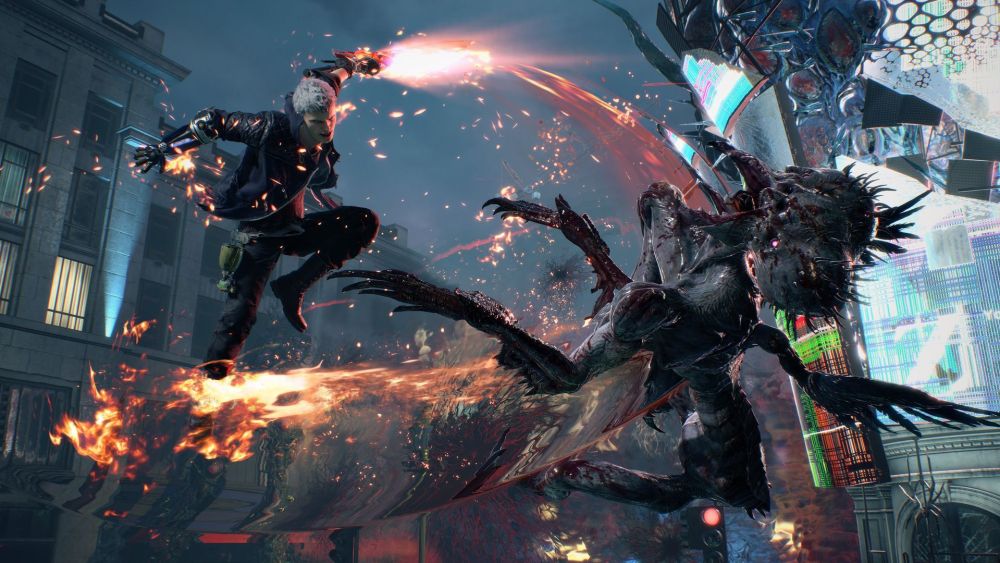
Devil May Cry is one of those special series to me, after playing the first I spent a lot of time on a Devil May Cry forum in my early teen years and kept the online moniker Nero Angelo for years. However I was one of the few hardcore fans who didn’t hate the DmC reboot, despite that I am so glad I live in the dimension that got Devil May Cry 5 instead of DmC 2.

This was exactly the return to form that fans wanted, we now have 3 playable characters Dante, Nero and V who all feel distinct. Dante is the classic over the top stylish weapon switching combat that the series is known for (though he does have a new feature I won’t spoil). Nero is again a more new player friendly character only having one melee weapon and one gun, though this time he has limited resource breakable robotic arms that add a more controlled level of complexity and variety to his gameplay compared to Dante since they aren’t freely swappable. V is the new character and plays quite differently as most of his damage is done via summoned creatures rather than directly himself.  V is probably the weakest gameplay of the three but they have a distinct quality and flair to them.

The game has a bunch of design choices that really charmed me; it is full of so much fan service other than 2 the whole of the series is referenced (even the anime), the taunts are really well done with the highlight being one Nero has where he puts on the hood on his jacket which then stays on until it is knocked off, hell they even add a mechanic for Nero right at the end of the game that is then a new mechanic to consider when replaying on a higher difficulty.

Graphically it is stunning really showing the versatility of the RE7 engine, Devil Trigger is a great song that you should to anyway, and the new female character Nico was great, I had been so disappointed in 4 when Kyrie was just a damsel in distress with no personally so I was thrilled that the new character was a return to form for the series. The short of this is if you were ever a DMC fan you should give 5 a go.

Gold: Astral Chain

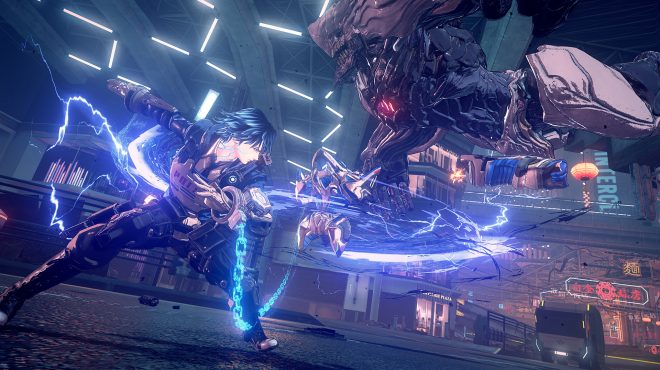
It’s funny I wasn’t overly excited for Astral Chain, it looked interesting enough and was by Platinum so I took the chance on preordering it, coincidentally I had a week off work after it came out it sucked me in and I spent most of my week playing and beating it.

For DMC5 I said V’s gameplay was the weakest, well Astral Chain showed how to pull that kind of gameplay to its best. In a very pretentious way I describe characters action games as being a violent game, to stretch that metaphor even further here rather than a solo dance you have a dance partner. You are tethered to a kind of ghost monster called a legion, the legion will attack on its own if near an enemy but you have to control its movement and positioning bearing in mind that is relative to your own due to the chain. That chain itself can be a weapon as well; stretch it out between the two of you when an enemy charges at you and you can slingshot them back or wrap it round an enemy to temporarily bind them. This game feels different to a lot of action games because positioning is so important.

To facilitate having to handle two characters the combat is simplified for each, rather than remembering long combo chains the focus is instead on utilising a range of options. By the end of the game you have 5 different legions you can freely switch between, each of these can be equipped with 2 skills that you control the execution of, as well as a unique ability that combines them with your character, it for the sword legion you perform a Metal Gear Rising style slowed time slash or for the best legion you ride them. The fun of the combat is that you’ll keep between which legion you are using and how you are fighting to add some real variety to the combat.

Astral Chain has another side to it as well; you play as a cop so there is a detective side. This is there to contract with the action heavy segments by providing many quieter sections. It’s strange as on the surface people tend to think that all killer no filler is the best approach but here the contrast from these sections just heightens the feeling of excitement in the action parts, and that is why it managed to snatch the gold medal away from my beloved Devil May Cry series though in retrospect maybe I should have given it a platinum medal

Well that was my 2019 game of the year however as a very cheap person a lot of games I play are from previous years so next week I’ll be giving out the awards for the best old games I’ve played in 2019.
Games of 2020

2019 is starting to draw to a close, personally it has been a shit year so I’m looking forward to seeing the back of it and looking forward to seeing what 2020 will bring. As part of this today I’m going to talk about some games that I have my eye on for the upcoming year.

Cyberpunk 2077

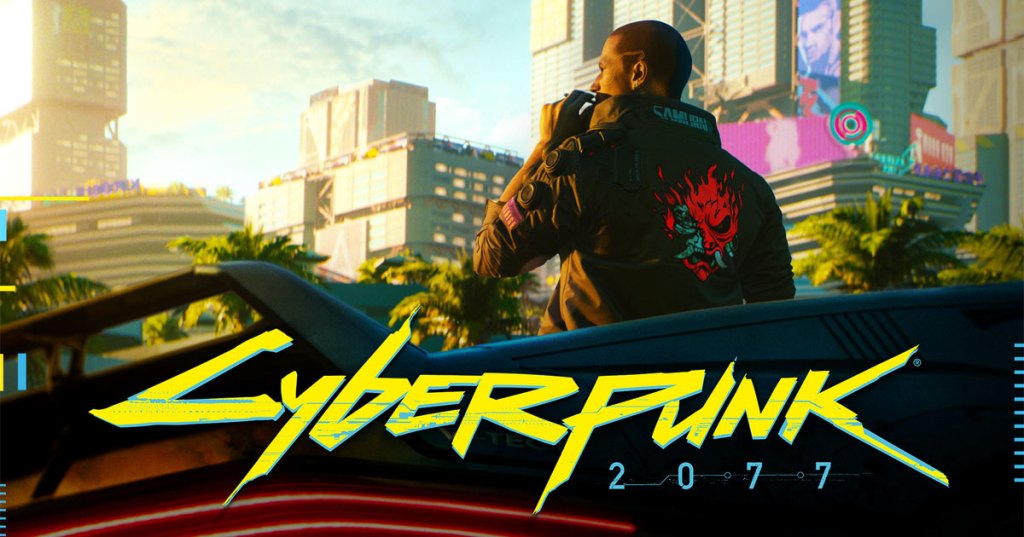
The Witcher 3 was the end of a series of work from CD Projekt Red that saw it grew into one of the most popular RPGs of recent years, despite coming from the niche source of a Polish book series it went to obtain masses of praise from players and critics alike. With Cyberpunk 2077 we’ll be able to see if lighting strikes twice and they are able to match that success within a very different setting. Hopefully like Keanu Reeves it will be breath taking.

Final Fantasy 7 Remake

Whether it is your favourite of the series or not it’s hard to argue that 7 is not the most iconic entry in the series. There was the infamous PS3 tech demo showing off what a HD remake would be like, and now many years later that potential will finally be realised… kind of. In a controversial move it is being split into multiple games with this first one just being based in the Midgar section. Honestly I have worries that expanding just a small part of the game into a full game by itself will just leave it feeling bloated and inconsequential, but I am very curious to watch it and see if they can pull it off.

No More Heroes 3

The Wii was known as a console for the casuals and the kids. In amongst all the games designed to appeal to that marker there were Suda 51s two No More Heroes titles, action games about slaughtering your way through ridiculous and fantastic bosses as you vie to reach the top ranking in the league of assassins. With the recent ridiculous 5 minutes long ET style trailer we got confirmation that series’ return will be out in 2020, along with confirmation that the bosses to fight through are the next logical step after assassins; Alien superheroes.

Psychonauts 2

Psychonauts was the brain child of Tim Schafer; a weird 3D platformer with levels built around entering the minds of some mentally unstable characters. On release it suffered from poor sales but over the years it grew sizable fan base as a cult classic title and now is finally getting a sequel. As the likes of Mighty Number 9 have shown there is a danger with creators returning to their old games that the magic is lost and the new game ends up as a disappointment. Hopefully Psychonauts 2 will end up as another cult classic rather than a cautionary tale.

Animal Crossing New Horizons

Before the first games release who would have thought a game where on its main mechanics is paying off a loan would become such a big success? Animal Crossing is such a relaxing game and after a stressful game I think exactly what I need is a game where I can just wake up in the morning and just go fishing or dig up fossils. The new thing I’m most looking forward to with this entry is how they’ll improve the multiplayer functionality with the Switch online service.

As the year ends I’m looking forward to a new year, a new decade and of course new games.

Cthulhu Saves The World

& Christmas & The Retro JRPG

Cthulhu Saves the World is a little RPG I bought on a whim off the Xbox 360 indie games store for only 240 Microsoft points which worked out as just £2. Despite its lower price the game really impressed me and had some great design ideas for a retro JRPG, its sequel Cthulhu Saves Christmas is due for an imminent release so now is the perfect time to look at how Cthulhu saved the retro JRPG.

One of my biggest pet peeves when I play a JRPG on a console is the use of save points, it is very frustrating when you have limited time to play a game you reach a save point and then have to decide whether to take the gamble as to if it will be minutes or hours before you reach the next one. Cthulhu makes save points optional you can go into the menu and save at any time (though save points still exist in it so you can restrict yourself to just saving at them if you prefer that for some reason). The save points still serve a purpose, they act as a restore point for your party, as well as the secondary effect of being useful as prompt to save in an area before they throw a boss fight at you.

This also helps with the problem of repetitive and boring regular enemy fights as often in other RPGs you have to severely hold back to reserve resources for bosses. Further to this the battles themselves are designed to discourage you from doing this, upon completion of a fight your party’s HP will be fully restored as well as some MP with the amount restored dependent on the number of turns taken, adding to this the enemies will progressively grow stronger as battles go on. Essentially it is in your best interest to finish battles quickly so you’ve got to be utilising the best skills and strategies for every battle.

There’s another frustrating issue with random battle systems in that they can get in the way of navigation; there is nothing worse than getting lost in a dungeon and while you to try to find your way out getting a disorientating random battle every few steps. In this game there are a fixed number of encounters within a dungeon, so if you did end up wandering round lost you’ll get a reprieve from battles allowing you to focus on navigation. On the flip side if you did want more fights to allow you level grind you can trigger a fight from the menu at any time, you could even set up yourself by a save point for healing and use it as a safety net for fighting enemies that you’ve been struggling with.

While not an element of game design there is one other positive thing with this game that I have to talk about. Following the Xbox 360 version I had bought they later released a Steam version that included a new alternate what if campaign, despite having paid so little for the game they added this as a free DLC for the Xbox 360 version. In a world where full priced retail games get stuffed full of micro transactions, that kind of generosity has to be praised.

Cthulhu Saves the World really was a great game that I highly recommend to people. With Zeboyd Games’ new sequel Cthulhu Saves Christmas due out people who say the festive period is crazy will finally be right.

Crackdown Agility Orbs

Collectibles Done Right

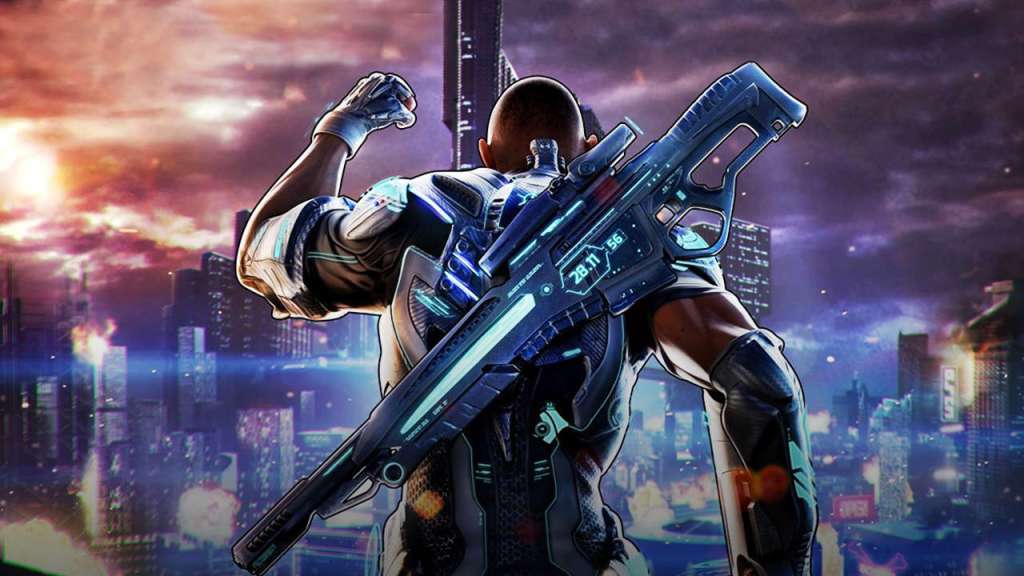
With December rolling in we all inevitably start looking back at the year 2019, and as people start compiling their game of the year list there is one title that will undoubtedly be missing from these lists; Crackdown 3 came out to what we’ll describe as less than stellar reviews but if you had the right kind of expectations there was dumb fun to be found with it. Regardless of the reviews there is one factor of open world games that Crackdown excels at, and that is collectibles.

The main collectibles of Crackdown are agility orbs; these are glowing green orbs that you’ll find in places like the corners of rooftops. This is one of the elements about them that works well; the choice of the green colour makes them visually stand out from the environment. To add to this even if an orb isn’t within your vision if you are within the vicinity of one it has a distinct sound effect that plays cluing you in to search the area for one. This allows the game to avoid the usual pitfall of players missing collectibles and having no idea where to look.

Of course if a player is going to hunt around to city to look for these it needs to be fun to get around and to collect them. The unique selling point of Crackdown is that you are a super powered peacekeeper with one of your main powers being a super jump. This is pretty fun as it gives the game a kind of looser platformer feel. With this style of movement the developers were able to place the orbs in such a way that they can present some basic puzzles platforming challenges to figure out how to reach them keeping the collecting engaging.

One last element that benefits the agility orbs is that there is a tangible reward to collecting them. The power of your super jump is dictated by your agility level. The main way of getting the experience points for this is collecting these orbs. There are only a small number of agility levels so when you do level up it feels like a significant power up, and allows you to collect more and harder to reach orbs. Another factor to this is that the harder to reach orbs will net you more experience, this helps to offset the usual problem of exponential requirements of levelling up, rather than just needing to collect more orbs to level up you can instead focus on getting the orbs that give you more experience points.

While Crackdown 3 got a lot of understandable criticism I was happy it maintained the quality design of the agility orbs, meaning that when playing it I quickly fell into the old habit of ignoring whatever mission I was doing because an agility orb was near and then when I got that one I saw another one and then another… someday I’ll finish that mission.

Disgaea: The Joy of Grinding

I’m currently playing a Disgaea game which means I’m currently in the thrall of my addiction to its grinding. That’s a weird statement because the term grinding normally comes with negative connotations, even I’ve used the term within that context before, but I love grinding in Disgaea. So today let’s look at what Disgaea does to turn its grinding into something positive.

Before that though let’s cover what grinding is, grinding is the act of repeatedly doing an action to give you an advantage. The most common example of this is fighting a lot of weaker enemies in and RPG to level up and gain stronger stats. It’s normally viewed as an arbitrary time waster to drag out a game. If you totally despise grinding you can still play through Disgaea and have a really enjoyable SRPG story mode to go through, but when you get into the post-game content it becomes mandatory so it’s good they pull it off so well.

Firstly let’s look at how it tackles the innate repetitiveness of grinding so allow me to introduce the item world. Every item has a procedurally generated multi floor dungeon to go through and these have an incredible amount of variety within them, this variety is caused by another of the games mechanics geo blocks. In the simplest terms these provide special effects to an area of a stage, effects like a defence boost or causing damage, the vast number of effects and enemy types causes most of the floors you go through to feel unique so you aren’t just repeating identical actions for hours to power up.

The item world is great for allowing you to strengthen your equipment to get a significant power boost but the potential risk here is that when you get better equipment the time you spent levelling up the earlier equipment is made to feel redundant. Thankfully the have a solution to this problem in the form of innocents. These are residents of an items item world that provide stat boosts or perks to the item. If you defeat the innocents within an item you gain the ability to transfer them to another item, so even if the item itself becomes outclassed you are still carrying forward some progress from it into the replacement item.

This is something that Disgaea is fantastic at; it always gives you a feeling of progress and improvement. You go through an item world levelling up the equipment you can then equip that to a weaker character that allows them to tackle tougher stages to level up quicker. Level up a character and you can unlock stronger variations of character classes, there’s the ability to reincarnate characters back to level 1 and upgrade them to this new variation at the same time this gives them better base stats, due to the stronger equipment it’s easier/quicker to get back to the previous level and they’ll be stronger than their previous incarnation. The main way of getting new items is drops from stage completions so with these new stronger characters you can tackle tougher stages to get better equipment, you then can go into this better equipment to level that up. Essentially what this means is the different methods of making progress feed back into each other so you are always making some progress.

Of course if you want the player to grind you have to give them something that they’ll want to grind for. For Disgaea that goal is to overcome the post-game bosses. To make these appealing a lot of these are characters from previous games in the series and from other games that NIS have developed, even if you aren’t familiar with the characters most of the bosses will join your party after defeating them and have unique character models and special attacks making them interesting additions to the team.

In later games in the series beating one of these bosses provides an additional perk; bonus points for the cheat shop. The main function of the cheat shop is that is allows you what to receive as a reward from battles; to explain in the post-game I will use this to significantly reduce the amount of money I receive and to instead get bonus experience in its place. Essentially if you beat one of these bosses you’ll have a permanent boost to the rewards you get for every battle you do.

One last element I have to talk about is the special attacks, NIS have made some of the most elaborate and over the top special attack animations. Obviously if you have to keep watching these again and again is a massive time sink and the wow factor for them will be lost, in an uncharacteristic respect for the player’s time for a JRPG you can at any time go into the settings and turn off the animations. This significantly reduces battle time mitigating the usual feeling that grinding is just in the game to waste the player’s time.

I think that’s enough time spent writing this post, now I can get back to the important things, like grinding Brute Root into a god like tank.

The Problems With Free To Play

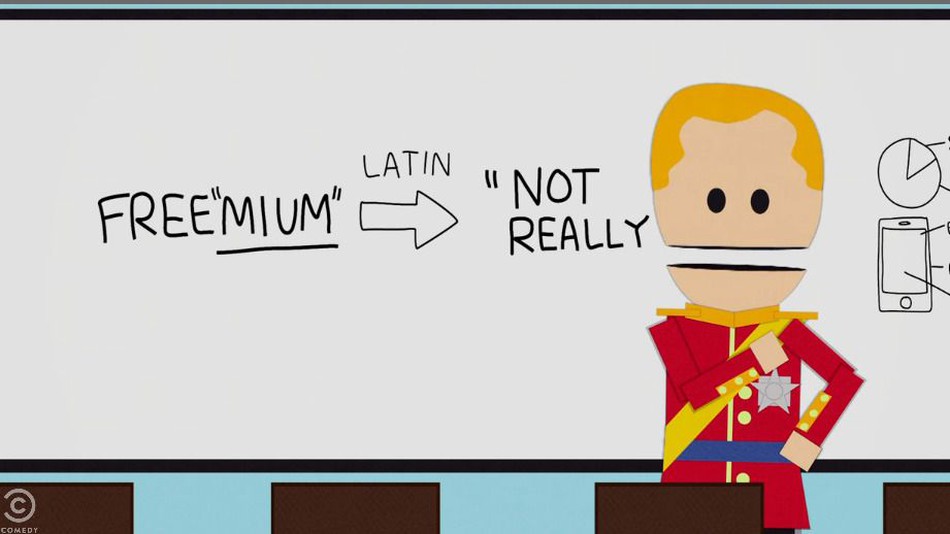
I play a lot of games, but one area really bother with is mobile gaming. I’m not one of those hardcore gamers who dismisses them as casual games, but back in my uni days I did dabble with mobile gaming and my own experience with the free to play elements that are common for this style of gaming left me cold. So today’s let’s look at these problems with free to play gaming.

1) The Waiting Game

The first point is looking at the time limits these games implement. Playing these games you will often encounter a timer popping up where you are either waiting for something to happen or for a chance to play again. Obviously the main idea from this is if you are enjoying it you’ll want to play it more and be willing to pay a little bit to do it generating the company money. But this has a secondary effect, when your playtime is limited you want to maximise it and not let any go to waste, so when the popup comes up saying that the timer is up you will try to go on it as soon as you can so the time isn’t wasted. This enforces playing the game at regular intervals developing it as a routine, when it has been enforced as a routine it becomes harder to quit and a behaviour we do naturally without even thinking about it, and this behaviour is reinforced by the prompts that popup to inform us the timer is up creating a mental association between the prompt and playing the game without even consciously thinking about it. And being negligent about the insidious addictiveness of this kind of thing isn’t exactly the most ethical behaviour on the developer’s part.

2) The Grind

Levelling up has been a longstanding component for rpgs but over time it has spread out into more genres and games, and of course is an incredibly common feature in free to play, so why is this? Well the simple answer is that it makes us feel good; getting a little reward for what we’ve done makes us feel good. And obviously since we like that reward we will continue to play to get these rewards. The progression for these level ups is tied to an exponential curve so later levels require more experience than the earlier levels. The problem with free to play is that they often skew the curve, early on the level ups and rewards are frequent but you’ll find that the amount of experience needed steeply grows. This is done to try and hook the player early on with these rewards so that they’ll then put even more time or money into the game to try and reach the increasingly distant next level.

3) Illusion of Progress

However a problem with the progression in these games is that the progress can often be empty feeling. This is because no matter how much time and effort you put in there is always something just out of reach. This can occur in a couple of different ways; it could be that the content is literally locked behind a pay wall with a separate secondary currency which cannot be gained at a reasonable rate so that a player who wants all the content has to payout for it, while still using the primary currency to give the player the feeling of making progress. The other way is with the luck of the draw, where you can’t just pick the thing you want to get, instead it’s up to random chance. Sometimes if you want to get the most out of it you have to get that specific thing multiple times, this means that for the rarest things the probability of the player getting this essentially goes to the limit of zero, the developer will likely claim a player can but while it is technically true realistically it just isn’t going to happen no matter how much time and effort is put in. Though of course with this system if you want to have a higher chance of getting rare things you can always payout for that.

4) Stacking the Deck

A lot of these games have a throwback retro arcade style where it’s a shorter and simpler game with a focus on replaying trying to improve your skills at it and aiming for a high score, and this high score gets even more competitive with online leaderboards. Except the problem is that the score is not tied exclusively to the player’s skill; no, unlocks, power ups and revives play a key part in this score, in the worst instance of this your unlocks actually act as a multiplier. This opens up the key problem of pay to win where between two equally skilled players the one that pours the most money into these perks gets the high score which complete undermines the competitive element of it as it discards an even playing field in the name of making money, it’s essentially an anti underdog design choice, it’s like if in the karate kid the antagonist was given a shotgun, it is a hell of a lot harder to overcome that through training.

5) Bring a Friend

And now we move onto peer pressure. As I’m sure anyone who’s ever visited facebook will know these games tend to reward pestering friends to play. This has two main reasons for its existence, one it gives free advertising. But I want to focus on the other reason; you are more likely to be competitive with friends rather than random names on a leaderboard with scores so much incredibly higher than what you get, whereas a friend provides a more personal element, who by the laws of probability are much less likely to be at the very top of the leaderboard. And this links back to stacking the deck, your friend that pestered you to play the game will likely already have advantages over you due to playing the game so you’ll be more likely to plonk some money down to even the odds.

I think it’s clear by now that I’m not a free to play fan, but the issue is that avoiding mobile gaming is no longer enough free to play has spread. The most popular game currently is Fortnite and even old games like Crash Team Racing now come with these elements when re-released to a modern audience. Fortunately I have prepared a bunker full of old video games for such a scenario.

Pokemon – Best Handheld Game?

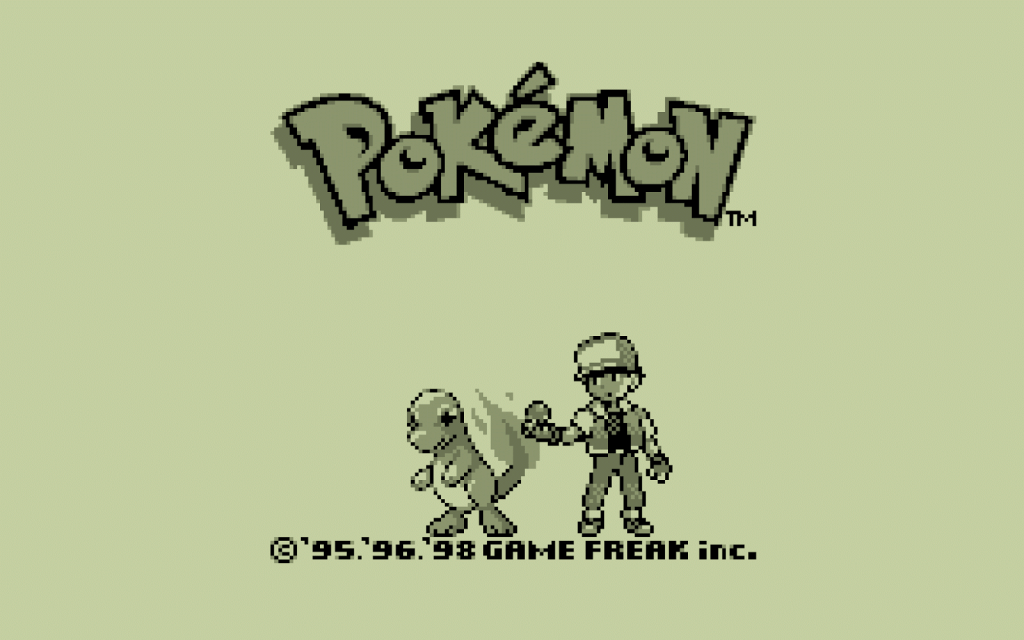
With the release of the new Sword and Shield games now seems like the perfect opportunity to talk about the Pokemon series and why since the original releases they have clearly been the objectively best handheld games ever. Despite what that clickbaity title and opening sentence might imply I’m not saying that Pokemon are the “best” games after all that’s a matter of subjective opinion, instead what I’m talking about is how it has design choices that are specifically tailored to work for a handheld game.

One thing that always annoys me in reviews of handheld games is how you’ll get statements like “the gameplay is split into fifteen minutes segments perfect for portable gameplay on your commute”, which obviously is great if you commute is a multiple of 15 minutes but say you have a journey of 25 minutes then you’ve got 10 minutes (or 40%) that you can’t fit the game into. Nowadays sleep modes have basically solved this issue but back in the Gameboy era this was a big issue, so one of Pokemon’s big advantages was its variable play time.

An annoying element of a lot of JRPG’s are save points which are normally the only points you can save the game and stop playing with little indication of the time there’ll be between this one and the next one which can make planning whether you can continue playing a nightmare. In Pokemon unless you are in battle or in a conversation you can save anywhere and anytime, and it make sure that the parts where you can’t save are kept short.

Most of the battles in the game will be against wild Pokemon where you are only facing a single enemy which keeps these battle times short. The other encounters in the game are against trainers but it pulls off a few other tricks to keep these short as well, in theory all the trainers could carry up to 6 Pokemon but this is very rarely the case and when they do it’s likely to be a set of weaker monsters like a team made up of 6 Magikarps, so while they take longer than wild battles they don’t drag on for too long.  To speed up battles with trainers with larger teams Game Freak also stack the odds in the players favour, after defeating an opponent’s monster you are told what they will send out next allowing you to switch in a counter with super effective attacks reducing the time it would take to beat them.

The other part where you can’t save is when you are in conversations, which is why they deliberately keep a simpler story this means that there aren’t any long cutscenes or big exposition dumps so these don’t keep you from saving for long. This structure has a second benefit; the main goal most of the time is to get the next gym badge so if you miss a bit of explanatory text or don’t play for a while it’s easy enough to figure out where to go. This means that the game does not need your full attention at all times which is a big benefit for a handheld game if something outside the game needs your attention like if you are checking whether your bus is near your stop. One other element that adds to this is that the sound is not actually required at all to play which again is good if say you are on a bus and forgot headphones.

The gameplay itself also doesn’t require constant attention, by its very nature turn based gameplay gives the opportunity to turn your attention elsewhere as it is essentially always on pause until you confirm your move. What makes Pokemon interesting is while it doesn’t require moment to moment attention it rewards cumulative attention built up over time. You are rewarded for learning the systems of the games what types are super effective against other types and the kinds of moves and stats each Pokemon has, by learning these you’ll be able to perform better in battles, the greatest example of this is that it allows you to better switch in counters for incoming Pokemon feeding back into the shorter battle time requirements discussed earlier.  

The last thing Pokemon did was its two different versions having some exclusive monsters. Given that the tagline was gotta catch em all this necessitated people interacting to trade between the different versions. Given the main target market was children and that these games were on a portable system it made the playground effectively a marketing source for Nintendo, where they’d get free exposure and the peer pressure elements of more kids wanting the game to interact with what the other kids were playing.

All of this came together to make Pokemon the perfect game for a handheld system and gave it enough of a marketing push to make it one of the biggest franchises in history that is still going strong to this day.

A Look Back at Mass Effect 3

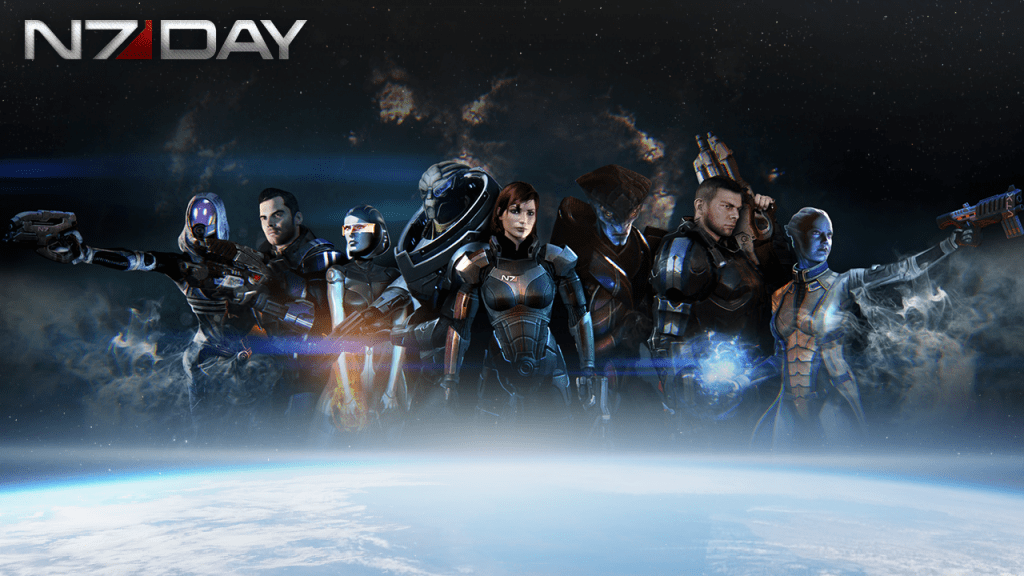
It’s N7 day EA’s attempt at manufacturing a special day for their sci fi series Mass Effect, trying and failing to replicate the success of Star Wars day (May the 4th be with you). They didn’t manage to pull off that level of recognition and with Andromeda seemingly killing the series I doubt it ever will, but since I have such love for the Mass Effect trilogy let’s talk about the high and lows of the controversial Mass Effect 3.

Let’s kick things off by talking about what everyone goes to a Bioware RPG for; the online multiplayer. To be fair while the first was an RPG with shooter controls by 3 it became much more a shooter focused combat system with RPG elements so a multiplayer option is not that strange especially as they wisely kept it as PvE with their own horde mode. It’s a pretty fun horde mode helped due to the variety of character choices with many combinations of class and race that steadily grew over its life, but here is the first big problem with it you’ve got to unlock these via loot boxes that you can of course buy with microtransations. Free to play elements are always a frustration for e and it’s even worse when in a full price game, Mass Effect 3’s was pretty bad to the extent that you’d have to get multiple copies of weapons to level them up and make them effective.

Another big new element affecting the multiplayer are the new enemies to fight, there’s a good mix of them to make it interesting the problem is that they include instakill moves. The problem with these is that they work against the RPG elements of the game, a big tanky build designed to take lots of damage will die just as quickly as a glass cannon build, add in possible lag for online that can see you magnetized back into an instakill attack you avoided and you have a recipe for frustration. Despite the frustrating elements I did spend a lot of time in this mode, but obviously what most people were there for was the single player.

Putting aside the big controversial part for now I actually quite enjoyed the story, part of that is probably that I had the unique perspective of not having my choices carried forward due to switching platform. If you’d been playing since the first game you can have all the “right” choices carried into this game, if you haven’t done this you’ve got to face some real consequences. The biggest example of this is the conclusion of the Quarian vs Geth storyline. My choice ended up being either to allow the genocide of the Geth or cause the death of the Quarian fleet, I chose the latter and this caused you party member (Since the first game) Tali to remove her mask and kill herself (side note: this should have been where they did the Quarian face reveal), it was incredibly impactful and will stay with me, and I could have totally missed this and saved both if I had my choices from the previous game.

One a more positive note one of my favourite moments was going on a bro date with Garrus on the Citadel to wind down before the final battle. These kind of character conclusion events are where the game really excelled but also highlights one of the big issues with the game. In Mass Effect 2 one of the main objectives was building up your crew, for various reasons most of these people don’t come back to the crew for this game instead having their own story missions with them as NPCs to wrap things up. The problem is that your crew haven’t been replaced, races like Salarian and Krogan that have had party members in previous games are absent and there’s only one new party member race but they were only available as day one paid for DLC, the party diversity is a real step back.

Ok it’s finally tile to address the elephant in the room, the ending was pretty lame. All the choices over the trilogy led to picking one of three colours for a blast that will defeat the reapers, but what if that’s not what really happened? The indoctrination theory was the idea that this choice was a lie as Shepard was being mind controlled by the Reapers. I think this fan idea would have been great as part of the story but it doesn’t work as an ending, you’d need a follow up part where you break out of their control and have a final showdown with the Reapers.

Bioware themselves tried to fix things themselves with some free ending DLC, it added more scenes at the end to explain what happened to the other characters, but the addition that interested me most was a new possible ending. If you instead shoot the star child that gives the usual ending choice then no coloured blast is triggered so the Reapers win, but in the next cycle the warning message Liara made containing everything you’ve learnt in your fight against the Reapers, this message is found early enough to all this new cycle to win and survive. It’s not as personally tied to your own choices so I imagine a lot of people would still be disappointed if this was the default ending but it’s exactly the kind of ending I like, not a happy ending where everything works out despite impossible odds but still containing hope for what will happen afterwards.

Well that was Mass Effect 3, it’s strange to look back now in a post Andromeda world and realise people thought this would be the most controversial Mass Effect, innocent times.