Pokemon – Best Handheld Game?

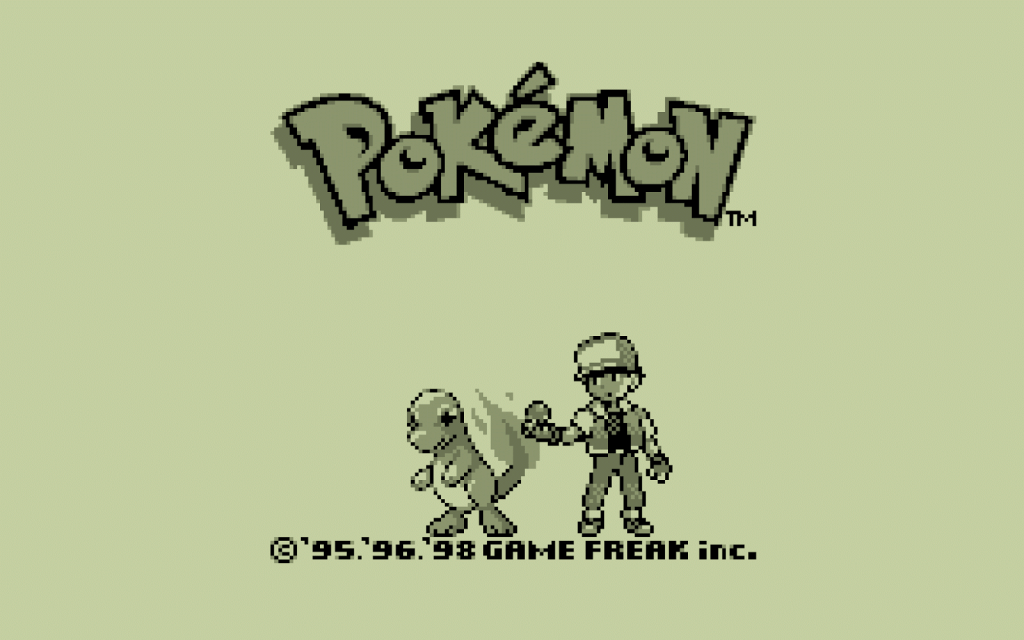
With the release of the new Sword and Shield games now seems like the perfect opportunity to talk about the Pokemon series and why since the original releases they have clearly been the objectively best handheld games ever. Despite what that clickbaity title and opening sentence might imply I’m not saying that Pokemon are the “best” games after all that’s a matter of subjective opinion, instead what I’m talking about is how it has design choices that are specifically tailored to work for a handheld game.

One thing that always annoys me in reviews of handheld games is how you’ll get statements like “the gameplay is split into fifteen minutes segments perfect for portable gameplay on your commute”, which obviously is great if you commute is a multiple of 15 minutes but say you have a journey of 25 minutes then you’ve got 10 minutes (or 40%) that you can’t fit the game into. Nowadays sleep modes have basically solved this issue but back in the Gameboy era this was a big issue, so one of Pokemon’s big advantages was its variable play time.

An annoying element of a lot of JRPG’s are save points which are normally the only points you can save the game and stop playing with little indication of the time there’ll be between this one and the next one which can make planning whether you can continue playing a nightmare. In Pokemon unless you are in battle or in a conversation you can save anywhere and anytime, and it make sure that the parts where you can’t save are kept short.

Most of the battles in the game will be against wild Pokemon where you are only facing a single enemy which keeps these battle times short. The other encounters in the game are against trainers but it pulls off a few other tricks to keep these short as well, in theory all the trainers could carry up to 6 Pokemon but this is very rarely the case and when they do it’s likely to be a set of weaker monsters like a team made up of 6 Magikarps, so while they take longer than wild battles they don’t drag on for too long.  To speed up battles with trainers with larger teams Game Freak also stack the odds in the players favour, after defeating an opponent’s monster you are told what they will send out next allowing you to switch in a counter with super effective attacks reducing the time it would take to beat them.

The other part where you can’t save is when you are in conversations, which is why they deliberately keep a simpler story this means that there aren’t any long cutscenes or big exposition dumps so these don’t keep you from saving for long. This structure has a second benefit; the main goal most of the time is to get the next gym badge so if you miss a bit of explanatory text or don’t play for a while it’s easy enough to figure out where to go. This means that the game does not need your full attention at all times which is a big benefit for a handheld game if something outside the game needs your attention like if you are checking whether your bus is near your stop. One other element that adds to this is that the sound is not actually required at all to play which again is good if say you are on a bus and forgot headphones.

The gameplay itself also doesn’t require constant attention, by its very nature turn based gameplay gives the opportunity to turn your attention elsewhere as it is essentially always on pause until you confirm your move. What makes Pokemon interesting is while it doesn’t require moment to moment attention it rewards cumulative attention built up over time. You are rewarded for learning the systems of the games what types are super effective against other types and the kinds of moves and stats each Pokemon has, by learning these you’ll be able to perform better in battles, the greatest example of this is that it allows you to better switch in counters for incoming Pokemon feeding back into the shorter battle time requirements discussed earlier.  

The last thing Pokemon did was its two different versions having some exclusive monsters. Given that the tagline was gotta catch em all this necessitated people interacting to trade between the different versions. Given the main target market was children and that these games were on a portable system it made the playground effectively a marketing source for Nintendo, where they’d get free exposure and the peer pressure elements of more kids wanting the game to interact with what the other kids were playing.

All of this came together to make Pokemon the perfect game for a handheld system and gave it enough of a marketing push to make it one of the biggest franchises in history that is still going strong to this day.
The 5 – DS – Part 2

Continuing last week’s look at the 5 must play exclusives for the DS.

Lunar Knights

Hideo Kojima is probably a name you’ve of, he’s the mad man behind the Metal Gear Solid series as well we the upcoming foetus carrying simulator. One of his weird side projects were the Boktai games, GBA games with sun sensors built into the cartridges so you’d use real world sunlight to fight vampires. It was an interesting idea but as Brit where for 90% of the year the sun seems like a myth I didn’t them. Fortunately Lunar Knights is a new game in the series and with the move to DS there was no longer a sun sensor in the cartridge which allowed me to play it on a cold dark night like I do most of my gaming.

The actual sun requirement might be gone but light is still a key component with a twist for this game, there is now a duo of protagonists; Lucian a dark swordsman who can channel the power of moonlight and Aaron who uses sunlight for his solar powered gun. They are your typical hero and anti-hero pair think something like Naruto and Sasuke. The game handles the dynamics of the pair really well, it implements a day night cycle that naturally gives an advantage to whichever character can absorb that periods light. But it reinforces that simple element effectively so you aren’t just using that one character that can get the current light, Lucian uses a sword but Aaron uses a gun which gives him an obvious range advantage however if he runs out of light his gun won’t work at all whereas Lucian’s sword can still be used if he runs of his energy (albeit weaker damage with no energy) so you’ll want to use for that reason but with the close range you are more at risk of damage. Due to this the game is properly incentivising you to actually make full use of both characters rather than just focus on an bulk up just one character which is often a problem with multi interchangeable character games.

The gameplay is an isometric action game with some RPG elements which is nice as you don’t see many games using that kind of perspective nowadays. There’s a good variety of abilities including unlock different elemental animal companions with different enemies have different weakness incentivising this variety in the combat. There’s even a basic stealth system with the ability to blow into the microphone to whistle to attract enemy attention, which is a nice touch for a Kojima game.

Another component of the game is that the vampires have developed a ‘parasol’ system that controls the weather to block sunlight from reaching Earth. As you defeat bosses you get more access to this system allowing you to change to different climates, this unlocks different parts of dungeons giving some good replay value to the game. This is useful as the game can be pretty tough so going back to earlier dungeons to level up and get better equipment is pretty useful.

People really seemed to more directly follow Kojima after Konami’s treatment of him, os maybe now’s the time to go back and look at his earlier work.

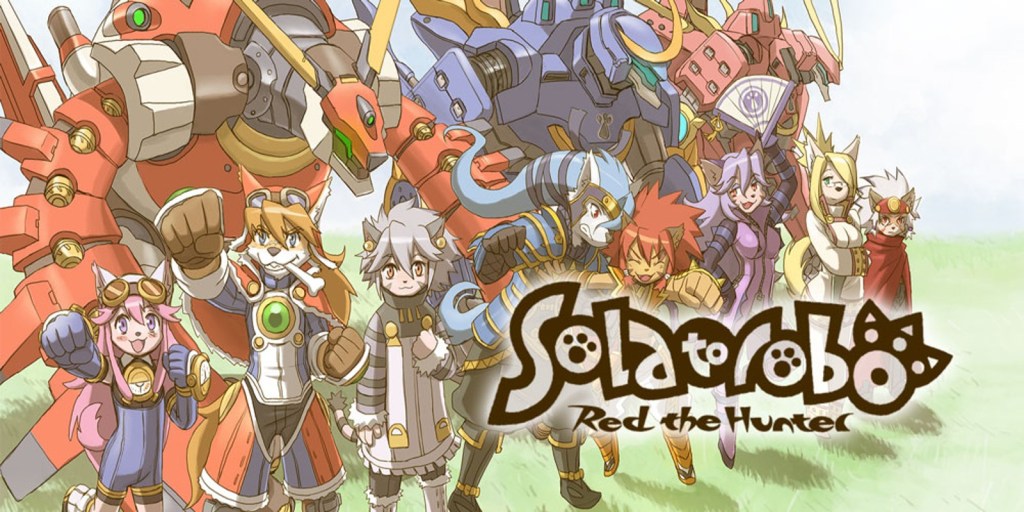
Solatorobo Red the Hunter

Solatorobo is an RPG and when I say that I’m sure that people imagine certain genre stereotypes but Solatorobo kind of defies those stereotypes to do its own thing.

Unsurprisingly from its title you play as Red who’s a hunter (I’m sure you came here for this kind of in depth analysis). In this universe a hunter is basically a PG version of a mercenary giving you an excuse to take on odd jobs. Red himself is an anthropomorphised dog who rides a mech. The game has a very nice style with its character designs being distinct and memorable with lots of colour splashed over the world (for example Red wears red). The writing for the characters and stories is enjoyable as well but I don’t want to go into details on them for the risk of spoilers, but one unique element is that when the credits roll you are only half way through the game, it is essentially split into two story arcs with the same characters, like different seasons of a TV show which I found interesting as normally game stories operate like a snapshot of a character’s experience with an adventure.

In terms of gameplay the combat is one area that definitely stands out by utilising Red’s mech. The combat is entirely built around grabs and throws which is pretty interesting as they are normally just side options to the main object. You grab/pick up objects, enemy projectiles and even enemies themselves to throw at enemies, you can even catch thing mid-air as they bounce back to throw them again. There’s not a lot of depth to the combat but since there’s no other games with combat quite like it the combat system stayed interesting and fun for the duration.

Another big element of the game is its side quests, Red’s profession mean that he’ll take any miscellaneous odd jobs that are available, and the developers were no afraid to throw stuff at the wall and see what sticks, there’s a lot of variety and experimentation to the extent that you might even expect to see more of some of these mechanics. An example of this kind of experimentation is with the standard side quest choice of fishing, rather than the usual process of standing by a lake with a fishing road you are instead hunting giant creatures through a sea of cloud using a harpoon attached by a chain to your mech, it’s a fresh take on a standard gaming staple.

And that’s how I’d describe the whole game, to me Solatorobo was a really fresh and unique experience, though apparently it is a spiritual sequel to a lesser known PS1 title Tails Concerto, but given its PAL release was only in France for me Solatorobo will stay standing out as a fresh experience that can only be found on the DS.

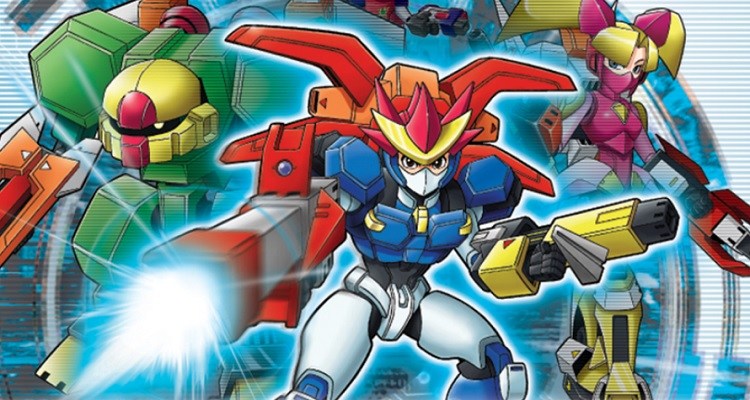
Custom Robo Arena

One phrase that annoys me in game reviews is “it’s like Pokemon” as its used to describe anything with monster collecting; I’m never going to tell a little kid to play Shin Megami Tensei because they like Pokemon. It’s my equivalent of people getting frustrated at the phrase “it’s like Dark Souls” being used to describe a game having any level of challenge. So how would I describe Custom Robo Arena? Well it’s like Pokemon…

In Custom Robo Arena you play as a kid who gets his first custom robo, a customisable little robot used for battling other robots, then goes on a quest to become the very best like no one ever was by going on an adventure to win tournaments and eventually take down the champion, while along the way you must thwart an evil organisation intent on using the robots to take over the world. Yeah it’s your standard expected children’s anime storyline, they’ve basically just swapped out Pikachu for a mini robot.

The key game component that always draws Pokemon comparisons is collecting so obviously that’s a key facet of this game, you aren’t collecting monsters but instead gathering up different parts that you can customise your robot with, there are alot of parts you can collect with every robot being made up of five part types; the main body, guns, bombs, pods and legs. These provide a lot of variation in terms of the robots so you can really tailor your robot to your particular fighting style. Again similar to how Pokemon let’s you know what you opponent is going to send in next so you can choose a counter, in Custom Robo you can see what parts your opponent’s machine is made of to give yourself the greatest advantage. It really incentivises collecting a wide range of parts.

Obviously those customisations are how you prepare your robot for battle and battling is where you’ll be spending a lot of your time. Your battles take place in arenas that can be populated with obstacles and various configurations of barriers, incentivising you to tailor your robot to work within the arenas particulars. That customisation can add a lot of variety to combat whether you are building them to have have high speed with close range weaponry, or have long range arcing weaponry to attack over barriers if you’ve got a more clustered arena, or various other combinations that could be tailored to your particular play style. It’s this kind of variety in your own robot and in your opponent’s robots that keeps the combat feeling fun for the game.

Describing something like Pokemon might seem a bit dismissive but I love it when a game can take the concept of another and put their own interesting element to it with Custom Robo Arena doing this fantastically.

The DS was a great console, one element of the console that I don’t think gets the appropriate appreciation was it making sleep mode a standard for the console that is a great addition to a handheld console. What games are you frustrated that I didn’t include in this list?

The 5 – DS

If I’m going to tell somebody to buy a console there needs to be at least 5 great games exclusive to the console to make it worthwhile. When I say exclusive I mean exclusive, if a game has seen a port, remaster or remake; basically if I can play it elsewhere it is not eligible for this list (the exception being actual backwards compatibility as it would make some consoles literally impossible to do). With the rules established let’s look at what games you should buy a DS for.

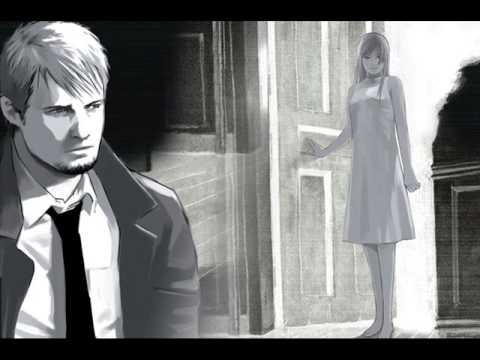
Hotel Dusk Room 215

Most of the time with exclusive they can be great experiences, but they would be great if you dumped them onto any other console, Hotel Dusk is one of those rare titles that is so intrinsically tied to the hardware that it would not shine as bright anywhere else.

Hotel Dusk is a point and click adventure game where you play as ex detective Kyle Hyde who goes to the hotel following a lead on his presumed dead partner. It’s alot more of a serious and grounded experience compared to the kind of wacky moon logic of the titles typically associated with the genre, but as is typical for the genere the game’s experience is heavily dependant upon its writing and story. Fortunately the game handles this well, I said it was a more serious story but I don’t it’s some kind of super serious grimdark tale, the characters don’t just crack jokes for the sake of it but instead come across like more genuine people for example a writer who keeps bringing up that they are a writer. Helping this is that the characters are represented by pencil sketch style characters portraits that have movement and expressions (think like the Take of Me music video). This is a really clever design choice as it makes the character designs memorable despite them just being designed as a regular looking people.

That’s all great but as I said before it specifically excelled as a DS title so let’s go through how it utilises the hardware’s features. The first noticeable aspect is that the DS is held on its side so it’s like a book, one way it takes advantage of this is the previously mentioned character portraits, when you are in a conversation each character’s portrait is framed in each screen putting the focus on them and animated responses. It is utilised outside these conversations as well. Navigating 3D environments is something the DS notoriously struggled with, Hotel Dusk utilises the 2 screens to solve this, one screen displays a 3D 1st person view while the touchscreen has a top down view that you navigate by, it’s genius because a 2D environment is much easier to navigated by moving the stylus around the screen, so you use 2d controls to control moving round a 3D space as the game doesn’t require movement on the Z axis (vertical).

One aspect I haven’t mentioned is the puzzles and these are built to use the DS features. As expected a lot of them are designed to use the touchscreen for moving or manipulating items, but the puzzle that most impressed me was that for one puzzle you had to close the DS as the solution, I like t imagine people losing their DS in frustration then being confused when they open it back up. Another nice little touch is that you can open a notebook on the touch screen and just write yourself actual notes which is helpful for playing detective.

I really enjoy the game and what’s pretty awesome is that is has a lesser know sequel Last Window: The Secret of Cape West that is also great if you want to get more of this experience. Though sadly they’ll never be a third game as the developer Cinq went out of business.

Elite Beat Agents

In Elite Beat Agents you play as the titular group who are secret agents that help people overcome their problems by encouraging them via the power of music. This game is coming from the same developer as Gitaroo Man (iNiS) so you should be expecting something unique, weird and amazing.

Unsurprisingly most music games tend to be centred around the music. Gitaroo Man was a weird space musical story, but for Elite Beat Agents each level is their own separate mission. Some of these missions include: shrinking down to help a sprinter’s white blood cells (who are sexy nurses) overcome a virus before a race, helping a retired baseball athlete fight off a lava golem attacking a child at the theme park where he works as a janitor, and helping a little girl whose father had promised he’d be home by Christmas but dies in a car accident. It might seem that they going for a LOL random approach and that last one is a wild tonal shift that will be out of place, but no it land. I think the reason for this is that the game has a lot of heart, all the seemingly disparate absurd situations share the common theme of somebody working to overcome adversity and become a better person. It’s simple but a positive and enjoyable message, it draws you in to the extent that I felt invested and pumped during the inevitable finale where the little girl leads a chant with everybody you’ve helped during the game joining in to support the agents in the most dire circumstances.

As I said before a music game is normally centered around the music, so Elite Beat Agent’s soundtrack selection is enjoyable enough. There’s not any tracks I actually dislike but the game definitely has a focus more on mainstream appeal, none of the tracks really have any edge to them, I don’t think there’s any tracks that would blow people’s mind that they would include them. You’ve mostly got well known pop tracks like YMCA and Material Girl, with a few lighter rock tracks like Jumpin Jack Flash. Like with these music games to keep costs down it is covers of the tracks rather than having to license the original versions, again none of these jump out as particularly bad covers but you do have to bear in mind the quality of the DS is nowhere near the level you could get from a high speaker system you could potentially have connected to your TV.

Though one advantage of a handheld music game is it eliminates the lag risk of TV & controller connections that can mess up the rhythm part of a rhythm game, iNiS take advantage of that by pushing the gameplay to be fast and frantic. To play you tap and slide on the touchscreen through combos of numbered circles, one thing that really stands out is how much thought they’ve put into flow for these, if there is a fast sequence of notes they naturally keep these clustered together so you can physically keep up with the rhythm. One clever choice is that to allow them to make the intensity high each song has a few short story intervals (which change a bit depending on how you are doing which is a nice little touch), these give you rest points which is nice as a lot of music games can end up with some songs that become challenges where if you lose focus and go off beat you are snookered. I’ve got to highlight one other little detail I really like, dependant on what difficulty you are playing on different agents are sent, because obviously for a more difficult mission you’d send more experienced agents.

Elite Beat Agents is probably one of my most played DS games as even after all these years I still get drawn back to it and have a blast whenever I do. What’s great again is if you don’t mind importing there’s two Japan only Ouendan games that have the same gameplay.

End of part 1

Stay tuned as next week we’ll go through the remaining 3 games of this list as this post will be way too long if I do them all in one. Any games you are hoping to see in part 2?

The 5 – Gamecube – Part 2

Continuing last week’s look at the 5 must play exclusives for the Gamecube.

Donkey Konga

This is a music game series that includes songs like the DK rap and the Pokemon them to play, do I need to bother making much more of an argument for the game?

If there’s one thing that Nintendo have proven themselves great at it’s taking some weird idea or concept and turning into a super fun game case in point long before the Guitar Hero & Rock Band plastic instrument craze swept the world Nintendo had their own go at it and thus the DK bongos were born.

The bongos have the two pads to hit either separately or together and also contains a built in microphone to be able to detect claps. It doesn’t sound complicated and that’s because it isn’t, but that simplicity is what makes it so easy to draw somebody in and get them to have a go, in fact the first time I played it was on a demo unit at Toys R Us as a child and that quick go was enough to sell me on it.

They key to any music game is unsurprisingly the music, I’ve already mentioned that it has Nintendo songs in the soundtrack, however that’s not all the soundtrack it has a bit of a mix of songs but something that shouldn’t come as a shock for Nintendo fans is that it is a decidedly family friendly choice of songs, you aren’t going to find anything like Slayer in the soundtrack. But there is some variety to the song choice, in fact I always found it strange but interesting that you’d have something like All the Small Things by Blink 182 alongside classical pieces of music.

The bongos may not have had a long life; only seeing 2 Donkey Konga games (3 in Japan) and a platformer game, but they are a sturdy piece of kit and a lot of fun in you can get your hands on some.

F-Zero GX

Here’s my impression of me if I was in a real life F-Zero vehicle: “AAHHHHHHHHHH!!!!” While Mario Kart might be Nintendo’s flagship racing series for good reason, it does not hold a candle to F-Zero in terms of speed and intensity in a way designed to appeal to a more hardcore audience.

And hardcore is definitely the correct way to describe it, GX is one of the best games that I know I’ll never beat, its story mode is notoriously difficult and I think getting a couple of chapters through it is the best I’ll do. Races are brutal the other racers give no quarter forcing you to push yourself against a constant sense of risk; if you fall off the track or your vehicle explodes that’s it game over and this is all happening during a constant intense sense of speed that puts even other futuristic racing games.

The other thing that wows me about the game is how technically impressive it is, that extreme sense of speed I’ve mentioned is pulled off at a constant 60 FPS with 30 racers on a track at once, and it feels like this is the first F-Zero game to pull this off without having to make sacrifices to do it; the original on the SNES had to utilise Mode 7 to do a kind of pseudo 3D, then with X on the N64 they made the jump to 3D while impressively also having 30 racers at 60FPS but to manage this the tracks were basically built in barren voids. GX does not have this problem with the increased power of the Gamecube they manage to have plenty of background detail that cause the tracks to have their own personalities making them feel unique and distinct from each other, this game is probably the one that pushed the Gamecube hardware the most.

Unfortunately we haven’t had a new F-Zero since as Miyamoto doesn’t want to do a new one until he has some innovation to change and “improve” it. Which is ironic because despite their prior history this game was actually given to Sega to develop and it ended up as the best game in the series, maybe the series should just fully be passed to Sega so we can get a new one.

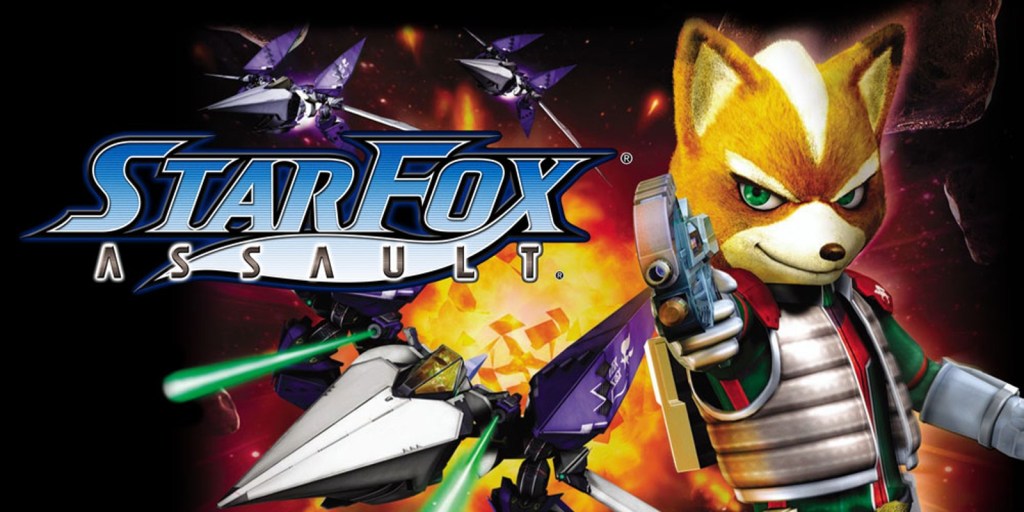
Star Fox Assault

If there’s one thing this list has shown me it’s that I take issue with Miyamoto nowadays; for Paper Mario he stripped out a lot of its personality to make it more like the main series but with a gimmick, he won’t make a new F-Zero until he has a new gimmick, and he’s a large of part of why Star Fox Zero just ended up as Star Fox 64 with a controller gimmick. Now full disclosure I’m one of the weirdos who actually didn’t mind Zero’s controls for the most part but what really frustrates is that Star Fox Assault made changes and improvements to move the series forward that instead of being built on were just ignored and forgotten.

I’m not going to pretend it’s Shakespeare but the biggest leap forward for this Star Fox game is the writing, There’s story & character development, events of previous games have actually had an impact and the universe no longer feels static. The main way it does this is that Andross is not the main enemy (I believe this is the only game in the series that does this) a new species is introduced called the Aparoid which are insect race that assimilate other species and tech (think of the Borg from Star Trek and you have a decent idea). By changing the status quo characters can be approached in different ways for example take Star Wolf there’s times when you fight against the rival group while others where you team up against a common enemy something which is not possible in previous games where you are on opposite sides.

As I mentioned there’s an impact of previous games as if time actually moves in the Star Fox universe, Andross is not the enemy because you’ve already beaten him, Krystal is now part of the team following Adventures and Peppy is no longer on the front lines dog fighting as his age catches up with him.The characters have grown and changed from the events they’ve been through. The game also takes a more linear approach compared to the branching paths of previous games this is combined with cutscenes and conversations that actually have characters animated and expressive in a way three squares on a screen just doesn’t manage. It’s strange to think but this might actually be a Star Fox game you can get interested in for the story.

The gameplay has 2 main parts there’s the usual Airwing flying sections that maintain the quality Star Fox is known for, but the other half is ground combat which is where a lot of the divided opinion of the game comes from. Before anything else if you are going to play the game change the settings to the dual stick control option for the ground sections I have no idea why this wasn’t the default but it will definitely improve your experience. Now I’m not going to lie the Airwing sections are better and I would prefer more of them in exchange for less ground sections, but I don’t think it’s nearly as bad as people make out Fox moves and handles pretty quickly and there is a combo tracker for chaining kills together in a short period that gives it a fun & frantic albeit simple style.

Even though it was rough around the edges I’ve got a real soft spot for Star Fox Assault, if somebody had took the ideas from it and further developed the gameplay I think there could have been a new contender for best Star Fox game, which is why Zero disappointed me so much it tried so much to be like what 64 was that it didn’t stand out and raised the question of why not just play 64, even if it had its detractors Assault stood out in a way that makes it worth checking out for any Star Fox fans.

Thank you to anybody who’s checked out my first attempts at writing, I’ve got a real soft spot for the Gamecube and given Nintendo’s reluctance to port Gamecube games could probably even do another of these lists in the future

The 5 – Gamecube

If I’m going to tell somebody to buy a console there needs to be at least 5 great games exclusive to the console to make it worthwhile. When I say exclusive I mean exclusive, if a game has seen a port, remaster or remake; basically if I can play it elsewhere it is not eligible for this list (the exception being actual backwards compatibility as it would make some consoles literally impossible to do). With the rules established let’s look at what games you should buy a Gamecube for.

1) Fire Emblem Path of Radiance

I debated whether to include this first entry in the list as it’s hard to tell people to buy it with the price it goes for nowadays, but given that price is in large part due to it being exclusive that makes it pretty appropriate for the list.

Part of what makes the game stand out is the main character of Ike by being a lot closer to a regular person rather than the usual chosen lord whose family is destined to fight off a great evil that we normally see in the series, this part of Ike’s character is executed well to the extent that when Ike takes over the party some characters leave the group as he’s not important or impressive enough for them to follow. By being on the same status level as the rest of the cast you encounter Ike has a more natural understanding and willingness to learn and listen to all the characters and races in the game that causes him to develop into a respected leader for the party rather than that being something given at the start of the game by the character’s birthright. On the opposite side is the enemy the Black Knight who is an imposing and looming threat through most of the game, partially because (in this game) you learn so little about him, in stark contrast to how Ike learns about the rest of the characters in the world by leaving the Black Knight so mysterious it makes him almost feel like a force of nature separate from regular people, and that’s a real powerful way of creating an intimidating antagonist.

In terms of gameplay it maintains the series’ great SRPG gameplay with the old punishing perma death combining with mechanics like the weapon wheel preventing a character from becoming too overpowered and removing the risk to your choices. The big addition in this game was the Laguz, people who can transform into beasts and they are successfully integrated into the system adding some more depth without messing with the balance, they are highly powerful when transformed but the limitation on how they can stay transformed and their vulnerability when they are not keeps them in check.

What I like about the Laquz so much is how their addition was not just for gameplay it was a crucial element in the story with the racism and prejudice they face being key and that by Ike coming to understand them and overcome the racial profiling of them they join his side for the war being a big boon that leads to victory, like if you don’t blindly hate people and work together you can do great things, though it’s sad that is still a necessary message to tell.

I did not enjoy the direction Fates took the series so I would highly recommend for people to go back and play this game to see the series at it’s best if you can stomach its price tag.

2) Paper Mario The Thousand Year Door

Two entries into the list and I can already feel myself turning this into an old man rant about how games were better back in my day, but if you’ve played Sticker Star or Colour Splash and don’t understand the love people have for Paper Mario you have not played the right games.

The surface level appeal of the game is how dedicated it is to the paper theme; as an example right at the start of the game the boat you arrived into town on has to turn around so it literally just flips to show the other side of the paper so it’s facing the right way, or how Mario unlocks new traversal abilities that are things like folding into a paper aeroplane to glide.

They don’t just rely on the paper theme and call it job done, every chapter has its own fun and unique personality separate to the paper theme or the usual Mario trappings that makes it stand out from other Mario titles, with my personal favourite being the chapter where Mario has to infiltrate a corrupt wrestling organisation.

What’s also great is how a lot of the usual main Mario characters that are now just side characters get the chance to shine in their own unique ways, Peach is inevitably kidnapped but doesn’t just sit around and wait to be rescued and you control her investigating what is going on, Bowser frustrated with being upstaged as a different villain kidnapped Peach has his own broken parody versions of classic Mario platforming levels, and Luigi bless him will tell you stories of his own totally real adventure he is having parallel to your own which is why he’s fine with being left out of the main game (it will never happen but I would absolutely love it if Nintendo did actually make his adventure as a spin off game).

Back to the main game though the main combat gameplay can best be described as your traditional turn based JRPG but with a real added sense of flair. Every battle takes place on a stage with an audience watching with all the attacks you do or recieve having some kind of timed button press that successfully pulling off gives extra damage or reduces the damage you take and impresses the audience into charging your super meter, this if further added to with stylish moves where additional timed presses (that don’t have the indicators of the main attack presses) cause the character to pull off tricks or pose to dazzle the audience even more. All this adds together to give a greater sense of direct engagement that some people feel is lacking for turn based combat.

The Thousand Year Door is one of my favourite JRPGs and a great entry point to introduce somebody to the genre. The best argument I have for the game’s quality is how embarrassingly excited I was when I found a copy to add to my collection and allow me to replay it.

End of part 1

I actually ended up way more for each game than I originally attended and I’m sure you are getting bored, so I’ll split this into two parts tune back in next week to find out the exciting conclusion of what the last three games will be.